

What does it mean for Hong Kong activists to find asylum in the West? Let's dive into China's reaction and the global conversation surrounding this issue.
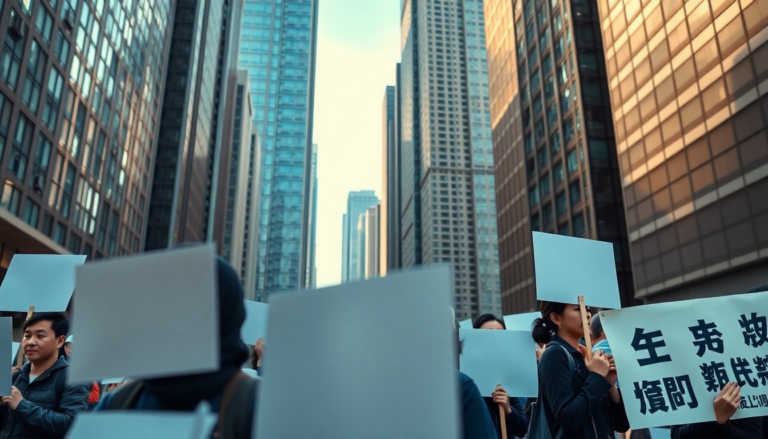
Hey friends! Have you heard the latest buzz about Hong Kong activists being granted asylum in the UK and Australia? 🎉 It’s stirring up quite a storm, especially in China, where officials are not taking this lightly. So, let’s break it down and see what’s really going on.
This situation is giving me major geopolitical drama vibes, and I’m here for it! 💥
Background: The Plight of Hong Kong Activists
For those who might be a bit out of the loop, let’s rewind a bit. Over the past few years, Hong Kong has become the epicenter of a fierce struggle for democracy and human rights.
Activists have faced severe crackdowns from the Chinese government, leading many to flee the region. Now, with asylum offers from Western countries, the stakes are higher than ever. Who else thinks this is a plot twist in the ongoing narrative of Hong Kong’s fight for freedom?
These activists aren’t just fighting for their own rights; they symbolize a broader movement for democracy in a region that feels increasingly suffocated.
The asylum granted to them isn’t just a personal victory; it’s a statement supporting democratic values globally. But here’s the kicker: China is furious. 😤
China’s Outrage: Diplomatic Tensions Rise
So, what’s China’s reaction been? Let’s just say they’re not exactly throwing a welcome party. Chinese officials have condemned the decisions made by the UK and Australia, labeling them as interference in their internal affairs. This isn’t just a minor diplomatic spat; it’s a classic case of East meets West, with all the drama that comes with it.
China’s Foreign Ministry has expressed strong dissatisfaction, claiming that such actions undermine the relationship between these countries and China. They argue it encourages more dissent among activists and could lead to further instability in Hong Kong. Unpopular opinion: Do you think the West is right to grant asylum, or does it escalate tensions unnecessarily?
As we dive deeper into this, it’s essential to recognize the implications for international relations. The balance of power is shifting, and the fallout from this situation could resonate beyond just Hong Kong and its activists. So many questions arise: What happens next? Will more activists seek refuge? And how will China respond moving forward?
The Global Conversation: What Can We Learn?
This situation is not just a news headline; it’s a conversation starter. It raises profound questions about human rights, freedom of speech, and the role of international communities in supporting activists. As global citizens, we need to engage with these issues, share our thoughts, and advocate for those who can’t. 🌍💬
Let’s not forget the importance of community in these discussions. How can we support Hong Kong activists from afar? Engaging with their stories, amplifying their voices, and staying informed are all vital steps. I’d love to hear your thoughts! Do you think the international community is doing enough?
As we wrap up, remember: it’s crucial to stay engaged, informed, and vocal about these issues. The fight for democracy and human rights is ongoing, and every conversation counts. Let’s keep this chat going—drop your thoughts below! 👇 #HongKong #HumanRights #Asylum
