

Is binge gaming harming our kids' mental health? Let’s dive into the research and find out!
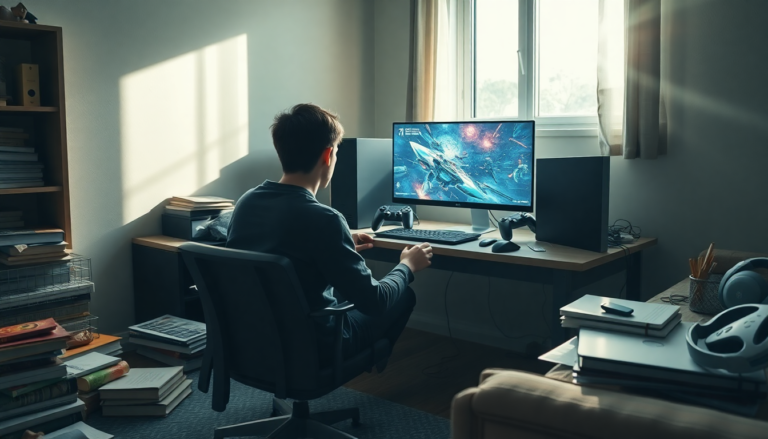
Hey friends! Have you heard the buzz about binge gaming and its impact on our mental health? 🎮 It seems like a lot of young people are getting caught in the gaming whirlwind, and researchers are raising some serious flags about what this could mean for their well-being.
Let’s break it down together! 💬
What the Research Says
So, a recent study from Hong Kong surveyed over 2,500 schoolchildren and teens and found that around 31% of them are binge gamers. 😱 But what does that even mean? Basically, a binge gamer is someone who spends five or more hours gaming in one go.
That’s a serious chunk of time, right? Who else thinks that’s a bit much? 🤔
Among those surveyed, 30% admitted to binge gaming at least once a month, and boys were 14.3% more likely to fall into this category. The concerning part? These binge gamers reported higher levels of anxiety, depression, stress, and even loneliness compared to their peers who don’t game as much.
It’s really eye-opening, isn’t it?
The authors of the study suggest that binge gaming might be a stepping stone to more severe issues like internet gaming disorder (IGD). They also mentioned that other factors, like ADHD and autism, could contribute to developing these problems. So, it’s not just the gaming itself; it’s the context around it too! Let’s keep this in mind as we dive deeper.
Screen Time Isn’t Just Gaming
Let’s talk about the broader picture. In the UK, a whopping 91% of kids aged 3 to 15 play video games! And while gaming can be a fun escape, excessive screen time—especially scrolling through social media—has been linked to increased anxiety and depression. 😟 A study found that teens spending more than two hours a day on their phones are doubling their chances of feeling anxious and quadrupling their risk of depression. Yikes!
Neuroscientists who looked into this found that 45% of 12 to 17-year-olds with no prior mental health issues showed psychiatric symptoms needing further evaluation. This is giving me some serious pause—what are our kids really doing online? 🤔
In 2023, NHS data noted that over 20% of kids between eight and 16 have probable mental health problems—a 7% increase since just 2017. It’s clear we’re facing a mental health crisis in schools. But wait, before we throw all gaming under the bus, not all studies point to doom and gloom!
The Silver Lining of Gaming
Unpopular opinion: gaming isn’t all bad! Some research shows that gaming can actually be beneficial. Last year, some studies claimed that gamers perform better in memory, attention, and reasoning compared to non-gamers. 📈 Moderate gaming could even be a better workout for the brain than traditional exercise! Who knew gaming could have its perks?
Japanese researchers found that owning a game console and playing games can improve well-being. However, the catch is that those who played for more than three hours a day didn’t enjoy the same benefits. It seems like moderation is key! ⚖️
So, is the problem really binge gaming? Maybe it’s about finding that sweet spot where gaming is enjoyable and doesn’t tip over into harmful territory. What do you think? Could we encourage healthier gaming habits while still having fun? Let’s chat! 💬✨
