

Liam Og O hAnnaidh, a member of the rap group Kneecap, is in court for supporting Hezbollah, sparking public protests.
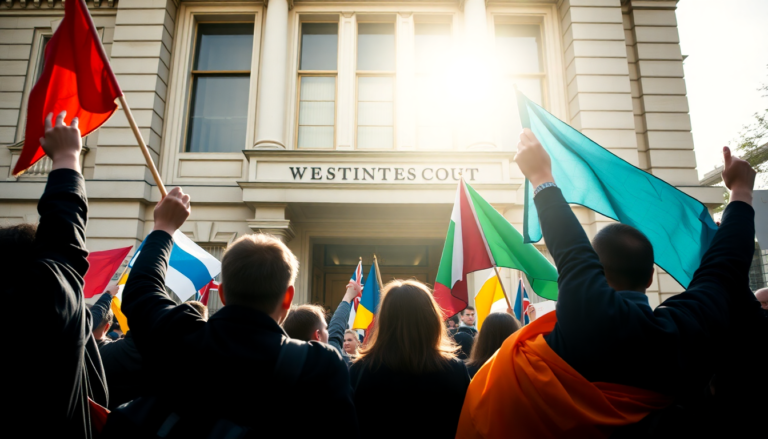
Liam Og O hAnnaidh, better known by his stage name Mo Chara, is set to appear in Westminster Magistrates’ Court this Wednesday. He faces serious allegations of supporting a proscribed terrorist organization. These charges come after an incident in November last year, where O hAnnaidh reportedly displayed a flag in support of Hezbollah during a performance.
The situation has sparked a wave of public interest, prompting demonstrations in both London and Dublin. What’s driving this controversy, and why does it matter?
Details of the Allegations
The allegations against O hAnnaidh stem from a concert in Kentish Town, where he is accused of showcasing a flag associated with Hezbollah—a group recognized as a terrorist organization by many governments.
In response, the Metropolitan Police have announced that they will impose certain restrictions on the demonstrations expected outside the court. Their aim? To prevent any serious disruptions that could affect the legal proceedings. But is limiting protest the right approach?
With public safety in mind, a spokesperson for the Metropolitan Police stated, “We have put conditions in place to ensure that the demonstration remains peaceful and does not disrupt the court’s operations.” However, these restrictions have drawn criticism from the rap group Kneecap, who argue that the measures are politically motivated attempts to stifle support for their member.
They have called on fans to follow police instructions, even while expressing their discontent with the limitations.
Public Response and Support for O hAnnaidh
Outside the court, supporters of the rapper have turned up in droves, creating an atmosphere that feels almost like a festival. Waving flags, playing drums, and chanting slogans, they’ve made it clear that they stand firmly behind O hAnnaidh. This enthusiastic support was similarly evident during his last court appearance in June, where he was greeted like a rockstar, showcasing the strong fanbase that Kneecap has built.
At just 27 years old, O hAnnaidh has not yet entered a formal plea regarding the charges. During previous court sessions, it was recognized that he has the right to express his views on the contentious Israel-Palestine conflict. However, the court clarified that the incident in question is a distinct legal matter. As the legal proceedings unfold, they will examine the implications of his actions within a wider context.
Legal and Social Implications
This case has significant implications, not only for O hAnnaidh but also for artists who find themselves at the crossroads of political expression and legal constraints. As the court date draws near, many are eager to see how the legal system will navigate these intricate issues. Will this case set a precedent for future instances where artistic expression collides with political statements?
As events unfold, we’ll keep you updated in real-time. The next court appearance is highly anticipated, and public sentiment continues to shift. For now, the spotlight remains on the facts surrounding the case and the ongoing dialogue about freedom of expression in the arts. What do you think—should artists be allowed to express their political views freely, or are there limits that must be respected?
