

Israel's military plans to expand operations in Gaza, targeting areas still under Hamas control, raising alarms over civilian safety.
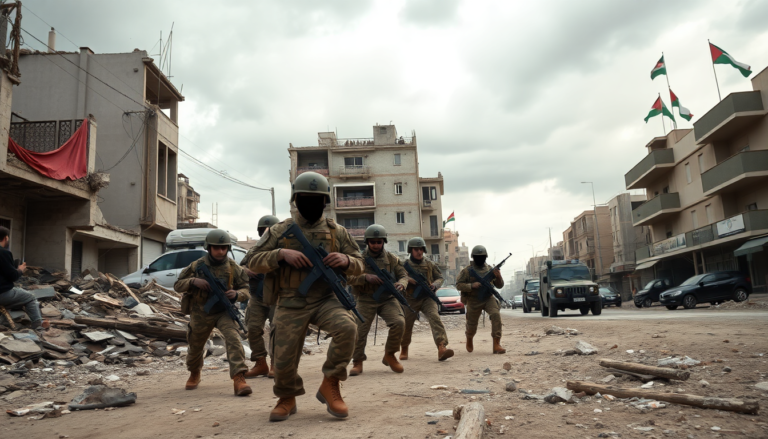
In a significant escalation of military efforts, Israel’s top generals have reportedly approved plans to initiate a new phase of operations in Gaza’s most densely populated areas. This development comes amid ongoing tensions following the conflict that erupted on October 7, 2023, when Hamas-led militants launched a surprise attack on Israel, resulting in the tragic loss of approximately 1,200 lives and the abduction of 251 individuals.
As Israeli troops continue to operate in key areas, the situation remains tense. What does this mean for both sides involved?
Details of the Planned Military Operations
According to an anonymous Israeli military official, the upcoming operations will zero in on parts of Gaza City that have yet to see direct engagement from Israeli forces, areas where Hamas remains active.
Currently, troops are already on the ground in the Zeitoun neighborhood and the Jabaliya refugee camp in northern Gaza. This groundwork is being laid ahead of a broader offensive that’s expected to get final approval from Israel’s chief of staff in just a few days.
Could this shift change the dynamics on the ground?
As part of this escalation, the Israeli military plans to call up 60,000 reservists in the coming month, which nearly doubles the active reservist count to 120,000. This increase underscores Israel’s commitment to intensifying efforts aimed at securing the release of hostages taken during the initial attack, as well as neutralizing threats from Hamas and other militant groups. How will this surge in military presence affect the already volatile situation?
Political Context and International Reactions
Israeli Prime Minister Benjamin Netanyahu has made it clear that the primary goal of these operations is to ensure that Hamas no longer poses a threat to Israel. However, this planned offensive has sparked international condemnation, with rising concerns over the potential for mass displacement among Palestinian civilians. Hundreds of thousands are already seeking refuge in the city, where critical infrastructure is rapidly deteriorating. What implications does this hold for the civilian population caught in the crossfire?
While mediators are reportedly negotiating ceasefire terms with Hamas, the Israeli government’s response remains uncertain. Members of Netanyahu’s coalition oppose any phased deals that don’t guarantee the complete defeat of Hamas. This political division complicates the situation further and raises questions about the effectiveness of any ceasefire negotiations. Will the political landscape shift as military actions escalate?
Implications for Civilian Safety
The escalation of military operations into densely populated areas poses significant risks to civilians. Humanitarian organizations have raised alarms about the potential for increased casualties and even more displacement. The ongoing conflict has already devastated many homes and essential services, leaving the population vulnerable. How can the international community respond to protect those in harm’s way?
As the situation develops, it’s crucial to keep an eye on the humanitarian impact and the international response to these military actions. The balance between achieving military objectives and safeguarding civilian lives continues to be a contentious issue as Israel prepares for what could be a significant shift in their operations within Gaza. Will there be a resolution, or are we witnessing the beginning of a larger conflict?
