

A dangerous invasion of blue dragons has led to a beach ban in Spain, raising safety concerns for holidaymakers.
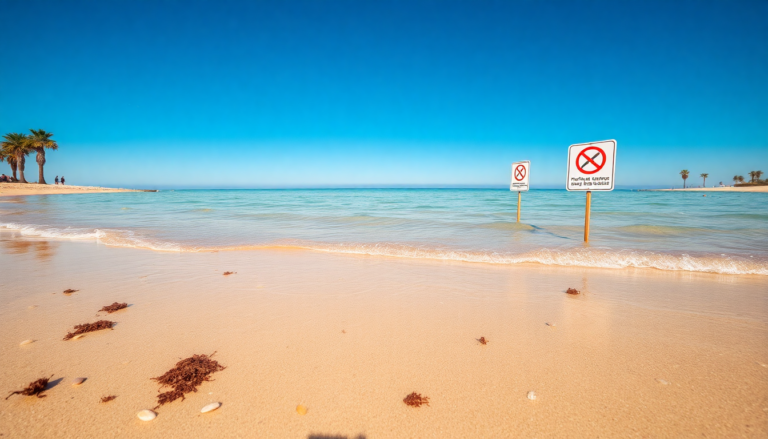
FLASH – TOURISTS ARE NOW BANNED FROM SWIMMING along a seven-mile stretch of Spain’s stunning Costa Blanca. Why? The emergence of venomous sea creatures known as blue dragons has triggered this swift action. After two specimens of Glaucus atlanticus were spotted on Vivers Beach in Guardamar del Segura—just north of Torrevieja—officials acted quickly.
These small but mighty creatures pack a sting that rivals the notorious Portuguese man o’ war, posing a serious threat to beachgoers.
Details of the Incident
UPDATE AT 10 AM: Red flags are now flying on the beaches, signaling a strict prohibition on swimming.
Local officials are taking this situation seriously. Guardamar del Segura’s mayor, Jose Luis Saez, shared a cautionary message on social media: “Bathing is prohibited following the appearance of Glaucus atlanticus, known as the Blue Dragon.” This warning highlights the urgency; these creatures can deliver stings that may be fatal.
Despite the ban, the beaches are still bustling with holidaymakers. However, many are hesitating to take the plunge. Town hall workers are on high alert, actively searching for any additional specimens that might have washed ashore due to ocean currents. With summer in full swing, you can imagine the disappointment among beach lovers!
As for the ban, Mayor Saez mentioned it will be reassessed within 24 hours, based on the ongoing evaluation of the situation. He reminded everyone, “Despite its bright and striking color, stay away from this animal because of its sting.” Quite the friendly reminder, wouldn’t you say?
Health Risks and Safety Precautions
The blue dragon, a mere inch long, may look like a work of art, but it’s also a danger lurking in the waves. Its sting can cause nausea, pain, and vomiting. Authorities are urging anyone who comes across one of these creatures to steer clear—even if you’re wearing gloves. Instead, notify lifeguards or local authorities immediately. Better safe than sorry!
If you do get stung, wash the affected area with salt water and seek medical attention right away. In response to this alarming situation, the local government has launched a preventive operation to spot any further appearances of these creatures along the coast. So, it’s clear they’re taking this seriously.
This isn’t the first time we’ve heard about dangerous marine life—back in 2018, experts warned the public against touching similar creatures after a spike in sightings along Sydney’s coastline. Earlier this year, Spain also dealt with an invasion of blue jellyfish. It seems like encounters with hazardous marine life are on the rise!
Monitoring and Future Developments
As events unfold, local authorities are dedicated to keeping the public in the loop about safety measures and updates regarding the swimming ban. The arrival of venomous creatures like the blue dragon poses risks for both residents and tourists, prompting a robust response from emergency services.
For now, the beaches of Guardamar del Segura remain off-limits to swimmers until further notice. Officials are prioritizing public safety over leisure activities. They’re closely monitoring the situation and will adjust their response as necessary. So, if you’re planning to hit the beach, it might be wise to wait a bit longer!
