

Curious about how much aid really reaches Gaza? Let’s explore the truth behind the headlines.
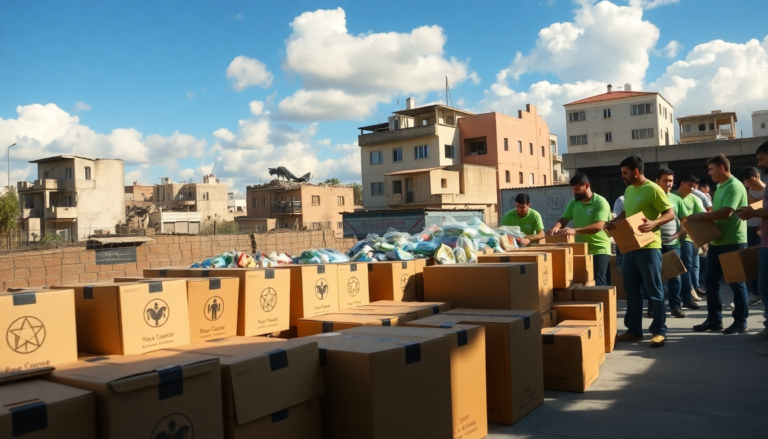
Hey there! 🌍 Let’s dive into a topic that’s super important yet often misunderstood: humanitarian aid in Gaza. With everything happening in the region, there’s a lot of chatter about how aid is distributed and who it actually helps. So, how much of that aid makes it to those who truly need it? Let’s break it down together!
Understanding the Aid Landscape
First off, the situation in Gaza is complicated—like, really complicated. With ongoing conflicts, political issues, and economic challenges, it’s like navigating a maze just to get assistance to people who desperately need it. The big question on everyone’s mind is: how much aid actually makes it on the ground? 🤔
Reports show that a significant amount of aid is allocated to Gaza, but the distribution process is often riddled with challenges.
From bureaucratic red tape to security concerns, many factors can hinder the flow of aid. And let’s not forget the different organizations involved, each with their own methods and goals. Who else noticed how complex this whole system is? It’s like a complicated chess game where every move has to be calculated.
Do you think aid organizations are doing enough to cut through the noise and get help to those who need it most? Let’s chat about it!
The Impact on Daily Lives
Now, let’s shift our focus to how this aid really impacts daily lives in Gaza. Imagine waking up to the sound of uncertainty, unsure if you’ll have access to basic necessities like food, water, and medical supplies. That’s the reality for many people there. The aid that does arrive is a lifeline, but is it enough?
Unpopular opinion: while aid is crucial, it’s not a long-term solution. It’s like putting a band-aid on a much deeper wound. The people of Gaza need sustainable solutions that empower them rather than just temporary relief. Who else thinks we should focus on root causes instead of just addressing symptoms?
And let’s not forget about the children caught in this crisis. How do you think the ongoing conflicts and fluctuating aid affect their futures? It’s heartbreaking to think about, right? 💔
Looking Ahead: What Can Be Done?
So, what’s next? How can we ensure that the aid reaching Gaza is effective and genuinely beneficial? It’s a question that requires all of us to think critically. Community-driven initiatives might just be the answer. Imagine if local voices were prioritized in aid distribution—what a game changer that would be!
Plot twist: by empowering local organizations and communities, aid can become more efficient and targeted. This could lead to real change, tackling the challenges at their roots. Have you heard of any successful projects that have made a difference? Share your thoughts!
As we navigate this conversation, I’d love to hear your opinions. How do you see the future of humanitarian aid in conflict zones like Gaza? Let’s build this dialogue together! 💬✨
