

Could eating like it’s the 1940s help us lose weight in today’s fast-food world? Dive into the fascinating benefits of a wartime diet that’s making waves in health discussions.
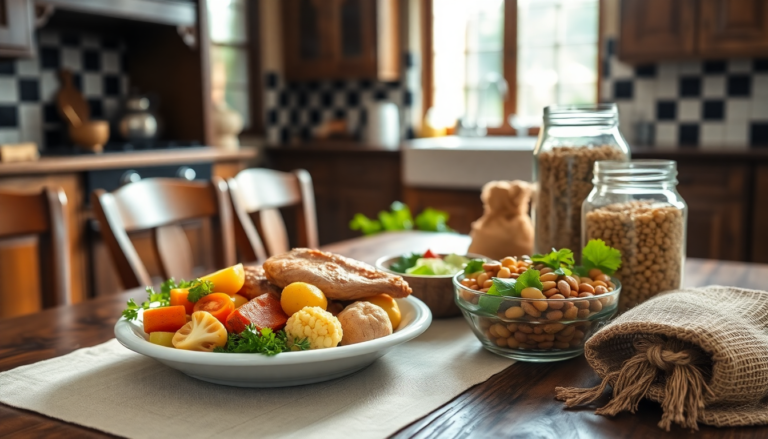
Okay, friends, let’s chat about something unexpected: the 1940s wartime diet. You might be thinking, “Really? That old thing?” But hear me out! With everyone jumping on trendy food fads and weight loss jabs, experts are suggesting we take a step back to a simpler time.
Yup, a diet that’s been around since World War II could actually be the key to shedding those extra pounds while feeling good about our food choices. Intrigued? Let’s dive in! 💬
The Wartime Diet: A Blast from the Past
So, what’s the deal with this wartime diet? During World War II, rations were a reality for many Brits, meaning they had to make the most of limited ingredients.
Think bread, baked beans, and whatever fresh produce they could get their hands on. Experts argue that this kind of eating is not only cost-effective but also super healthy! It’s all about swapping out those processed snacks we love for whole foods that are packed with fiber, vitamins, and minerals.
Sounds like a win-win, right? 🌱
Nutritionist Deborah Grayson points out that this diet naturally supports weight loss by limiting high-calorie, low-nutrient foods. By sticking to three structured meals a day and reserving snacks and desserts for the weekend, it helps create a gentle calorie deficit without feeling like you’re on a strict diet. Who else thinks that sounds way more sustainable than counting every calorie? 🤔
Plus, let’s not forget the gut health benefits! With meals centered around veggies, legumes, and whole grains, we’re talking about foods that keep you feeling full and energized. It’s all about that balance of nutrients that our modern diets often miss out on. This vintage approach could be just what we need to kick those cravings for good!
A Day on the Wartime Diet
Picture this: you wake up and start your day with a hearty bowl of porridge. No fancy superfoods here, just good old oats! For lunch, you might whip up a mixed salad with some haricot beans and a slice of bread and butter. And for dinner? How about a cozy parsnip pie with creamed cabbage? Sounds comforting, right? This simple menu highlights how straightforward meals can still be satisfying and nutritious.
And let’s be real, we’re all about leftovers these days! Grayson also emphasizes the importance of using what you have, just like families did back in the day. Leftover parsnip pie for lunch? Yes, please! This mindset not only reduces waste but also encourages creativity in the kitchen. It’s a total vibe shift from our current fast-food culture. 🍽️
But it’s not just about what you eat; it’s how you eat! The wartime diet encourages a mindful approach to meals. Focusing on whole foods, cooking at home, and limiting processed snacks can have a huge impact on our health. Unpopular opinion: maybe it’s time to ditch the takeaway culture and embrace a more wholesome way of living.
Modernizing the Wartime Diet
Now, let’s keep it real—while the wartime diet has its perks, it’s not perfect for today’s nutritional needs. Sure, it’s great for reducing sugar and processed foods, but we also need to consider our modern lifestyle. Registered nutritionist Karen suggests making a few tweaks, like incorporating more fruits, oily fish for omega-3s, and ensuring we get enough vitamin D. This way, we can enjoy all the benefits of the wartime diet while still meeting our health goals.
So, if you’re thinking about giving this a go, why not start with a few wartime-inspired meals? Try cooking with seasonal ingredients and planning out your meals to avoid that temptation to snack mindlessly. Plus, embracing the art of cooking at home can be super therapeutic! Who else finds chopping veggies oddly satisfying? 🙋♀️
In conclusion, while the 1940s diet may seem outdated, it offers valuable insights into how we can approach eating today. By focusing on whole foods, mindful eating, and reducing reliance on processed options, we could all benefit from a little wartime wisdom. Let’s chat about it—what do you think? Could you see yourself trying a wartime-inspired meal plan? Share your thoughts! 💬✨
