

A surge in protests is anticipated as concerns grow over the rising number of asylum seekers in temporary hotel accommodations.
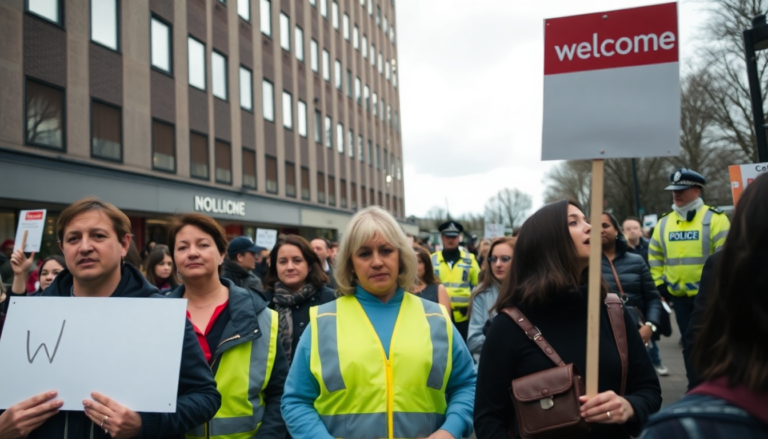
A wave of protests is set to unfold outside hotels designated for asylum seekers as new statistics reveal a significant uptick in their numbers. With over 32,000 individuals currently housed in hotels—an increase of 8% since Labour took office—the situation has triggered growing discontent across the nation.
But what does this mean for the communities involved?
Upcoming Protests and Local Reactions
Stand Up To Racism is gearing up for counter-protests this Friday outside several hotels in cities like Bournemouth, Cardiff, and Leeds, with more demonstrations expected on Saturday.
This grassroots movement reflects broader concerns regarding the handling of asylum seekers in the UK. Are these protests a call for change or just a reflection of rising tensions?
Local councils, spanning Labour, Conservatives, and Reform UK, are actively exploring potential legal actions against the use of hotels for housing asylum seekers.
This comes after a recent court ruling that granted Epping Forest District Council a temporary injunction, effectively blocking asylum seekers from being housed at the Bell Hotel in Essex. The council argued that the injunction was necessary due to “unprecedented levels of protest and disruption” related to asylum accommodations. How will this legal wrangling affect those seeking refuge?
Shadow Justice Secretary Robert Jenrick praised the residents of Epping for their activism, stating, “Our country’s patience has snapped.” Shadow Home Secretary Chris Philp echoed this sentiment, affirming the public’s right to protest against asylum hotels, and highlighting the growing unrest surrounding this issue. It seems the public is ready to be heard.
Government Response and Policy Changes
In response to the escalating protests, Labour has pledged to eliminate the use of hotels for asylum seeker accommodations by 2029. Home Secretary Yvette Cooper emphasized the government’s recent efforts to tackle the asylum backlog and reduce spending on the asylum system, asserting that these initiatives are vital for a more effective immigration policy. But will these promises translate into real change?
Despite the rise in asylum seekers housed in hotels, government spending on the asylum system has actually decreased by 12%. Notably, the number of applicants awaiting an initial asylum decision has dropped below 100,000 for the first time in four years, suggesting a possible shift in the management of asylum applications. What does this mean for the future of asylum seekers in the UK?
It’s important to recognize that asylum seekers and their families are often placed in temporary accommodations, such as hotels, while their claims are being processed or if they have already received approval but lack long-term housing options. The Home Office is legally obligated to provide accommodation to avert destitution among these individuals, typically using hotels and former military bases when necessary. Shouldn’t we be focusing on solutions rather than protests?
The Broader Conversation on Migration and Safety
As protests continue, advocacy groups like Rape Crisis and Refuge are raising alarms about the narrative surrounding violence against women and girls being overshadowed by anti-migrant sentiments. They argue that this discourse not only divides communities but also undermines support for survivors of violence. Their concerns are critical, highlighting the intersection of migration, community safety, and social justice. How can we ensure that all voices are heard in this complex conversation?
In conclusion, the increasing protests against asylum seeker hotel accommodations reflect deep-seated concerns within communities regarding the management of asylum seekers and broader immigration policies in the UK. As local authorities weigh legal options and public sentiment continues to grow, we can expect intensified demonstrations and a continued push for policy reform in the coming days. What will it take for a more compassionate approach to emerge?
