

Gaza is facing unprecedented famine conditions as the humanitarian crisis deepens. Here's what you need to know.
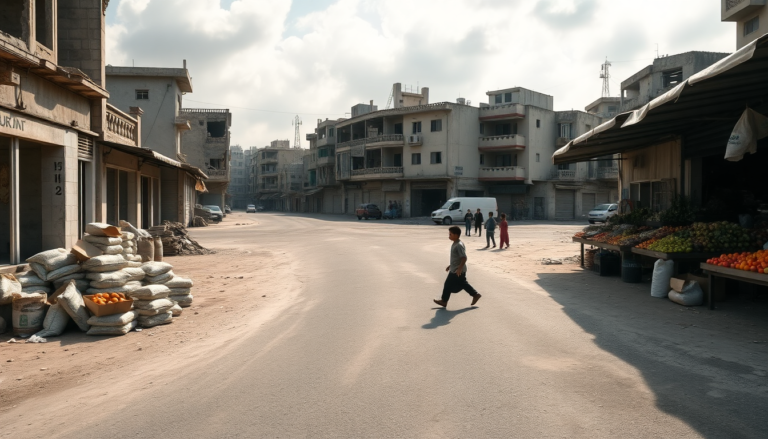
The situation in Gaza has reached a critical point, with over half a million Palestinians grappling with catastrophic famine conditions. This alarming reality has been brought to light by the Integrated Food Security Phase Classification (IPC), which recently reported that nearly a quarter of the population is facing severe food shortages—a situation that’s likely to worsen in the coming weeks.
It’s hard to fathom how we’ve gotten here, isn’t it? 🤔
Understanding the Crisis: What Led Us Here?
After 22 months of relentless conflict, Gaza’s infrastructure is hanging by a thread. Bakeries have been destroyed, essential supplies have been blocked from entering the region, and desperate individuals seeking food have faced violence.
The IPC’s report marks a grim milestone as it’s the first time famine has been recorded outside of Africa. The prediction that famine conditions may spread to central and southern areas of Gaza by the end of September is chilling.
Who else feels a deep sense of urgency about this? 🙁
UN Secretary-General Antonio Guterres has characterized this crisis as a “man-made disaster” and a stark failure of humanity. He emphasizes that famine isn’t just about food scarcity; it reflects a complete collapse of the systems essential for survival. Can you even imagine the despair families are facing right now? Guterres firmly states that those in power have a duty to act, yet the international community seems to be stalling. What do you think is the reason behind this inaction? 💭
Global Reactions: A Call for Action
In response to the IPC report, various global leaders and organizations have voiced their concerns. Philippe Lazzarini, head of UNRWA, expressed that months of warnings have gone unheard and now that famine has been confirmed, it’s time for concrete political action. “No more excuses,” he insists. This sentiment resonates, right? We can’t afford to let this situation spiral further out of control! 🚨
On the flip side, Israeli Prime Minister Benjamin Netanyahu has labeled the IPC’s declaration as an “outright lie,” arguing that Israel does not have a policy of starvation. This clash of narratives raises questions about accountability and humanitarian responsibility. How do we reconcile these opposing views? It feels like a never-ending cycle of blame and denial. 😕
The Human Toll: Stories from the Ground
The stories emerging from Gaza are heartbreaking. NGOs and aid agencies are sounding alarms about the dire conditions faced by civilians. Oxfam has reported that the famine is driven by Israel’s blockade and violence, stating that many aid requests have been denied, leaving supplies sitting idle. Just think about the amount of suffering that could be alleviated with proper intervention. It’s gut-wrenching. 😢
Humanitarian groups like Islamic Relief are witnessing firsthand the devastating impact of this crisis. “Every day, our team sees more people starving to death,” they report. This isn’t just a statistic; these are lives being lost. It’s a crisis that demands our attention and action. What can we do, as a global community, to respond to this urgent need? 🌍💔
Ultimately, the IPC’s confirmation of famine in Gaza serves as a wake-up call. As we witness the ongoing suffering, it’s crucial for us to share these stories, raise awareness, and advocate for immediate humanitarian aid. Together, we can make a difference. What are your thoughts on how we can mobilize support for those in need? Let’s discuss! 💬✨
