

As the conflict in Gaza escalates, the region faces a severe famine, prompting urgent calls for humanitarian aid.
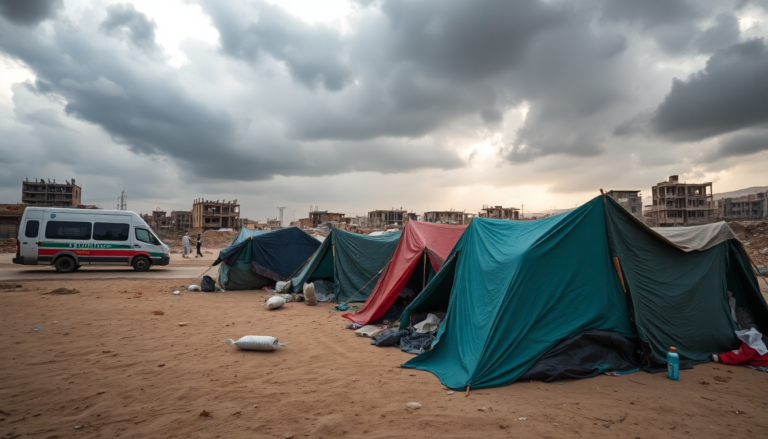
At least 33 individuals have lost their lives due to Israeli strikes and gunfire in Gaza, with many people seeking shelter or food in makeshift tents. This alarming statistic emerges amidst the shocking announcement of a famine gripping Gaza City.
Medics are sounding the alarm as the humanitarian crisis deepens, pushing governments and aid organizations to intensify their appeals for an end to Israel’s 22-month military campaign, which was triggered by Hamas’ attacks on October 7, 2023. What does this mean for the future of Gaza?
The Humanitarian Crisis Deepens
The Integrated Food Security Phase Classification (IPC), a leading authority on food crises, has declared a famine in Gaza, a situation that only seems set to worsen. This declaration has sparked urgent international calls for Israel to halt its military operations.
UNRWA Commissioner-General Philippe Lazzarini stressed the pressing need for action: “It’s time for the Government of Israel to stop denying the famine it has created in #Gaza. Every hour counts.” This declaration underscores the severe impact of the ongoing conflict and restrictions on food supplies, resulting in widespread starvation among civilians. How long can this crisis continue unchecked?
Israeli military operations have ramped up, with reports indicating that strikes have targeted tents housing displaced individuals in Khan Younis, leading to numerous casualties, including women and children. The situation is dire, with the southern Gaza Strip and other areas facing continuous bombardment. As of now, Israeli officials have denied specific knowledge of strikes in Khan Younis and are currently investigating other incidents. What will it take for a breakthrough in this situation?
Global Response and Aid Efforts
Amidst the chaos, humanitarian organizations are raising alarms about the escalating crisis. Aid groups warn that the combination of war and strict limitations on food supplies has created a catastrophic situation for civilians. The IPC reports that nearly half a million people in Gaza are experiencing catastrophic hunger, a crisis worsened by displacement and the collapse of local food production. Isn’t it time for the world to act?
In response to growing international outrage, Israel has permitted some aid deliveries, including airdrops and limited land access. However, humanitarian organizations argue that the aid received is insufficient to meet the overwhelming needs of the population. Reports indicate ongoing chaos and insecurity surrounding aid deliveries, with claims of Israeli troops firing warning shots at those seeking assistance. How can we ensure aid reaches those who need it most?
Military Operations and Future Outlook
Israeli Prime Minister Benjamin Netanyahu‘s office has dismissed the IPC report as false, attributing the suffering to Hamas’ actions. Despite these denials, military preparations for a ground operation in Gaza City are reportedly underway, raising fears of a dramatic escalation in violence. What lies ahead for the people of Gaza?
Doctors Without Borders (MSF) reports a sharp increase in patients at its clinics as civilians flee the bombing. The organization highlights that the situation is forcing many, including health workers, to abandon their homes amidst the violence. The impending military actions could exacerbate an already critical humanitarian situation. Will the international community step in before it’s too late?
Conclusion
The crisis in Gaza serves as a stark reminder of the devastating impact of prolonged conflict on civilian populations. As the world watches, the need for immediate humanitarian intervention grows more pressing. The unfolding events will be crucial in determining the future of the region and the lives of its inhabitants. What can we do to help?
