

Discover the heartbreaking story behind the destruction of olive trees in al-Mughayyir and its implications for the local Palestinian community.
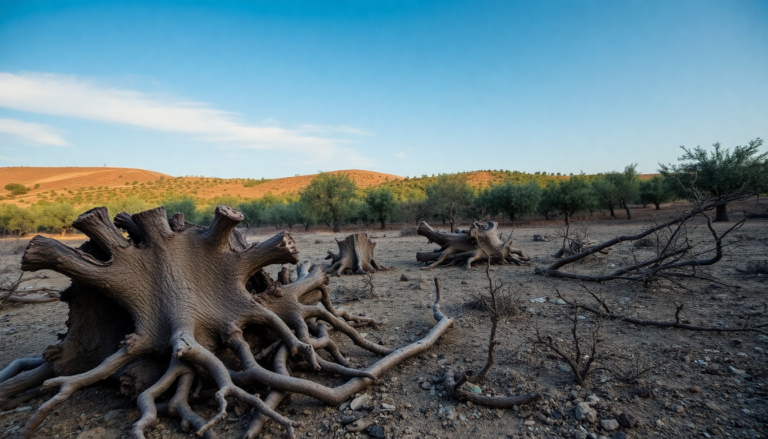
Hey friends! Have you heard about the recent events happening in al-Mughayyir, a village near Ramallah? 😢 The Israeli military has destroyed around 3,000 olive trees in this small community, and it’s part of a larger narrative of violence and displacement that many Palestinians are facing.
Let’s break it down together!
The destruction of olive trees: a cultural blow
Okay, but can we talk about the situation? The Israeli military claims that uprooting these olive trees was necessary for security reasons, asserting that they posed a threat to a main settlement road.
But let’s be real—this isn’t just about trees. 🌳 Olive trees are a vital part of Palestinian culture and economy. They symbolize resilience, heritage, and a deep connection to the land. Can you imagine someone coming into your community and tearing down something that has been there for generations? This is giving me serious vibes of loss and heartbreak.
Al-Mughayyir, with around 4,000 residents, has a rich agricultural history. The local economy relies heavily on farming, and the destruction of these trees means more than just physical loss; it leads to food and water insecurity. Many families depend on these olive trees for their livelihood. What do you think the impact of this could be on future generations? 🤔
Ongoing violence and displacement
Since the start of Israel’s recent military actions in Gaza, the West Bank has seen a surge in violence, particularly in already vulnerable areas like al-Mughayyir. Reports indicate that over 2,370 attacks by Israeli settlers against Palestinians have occurred this year alone. This is alarming! 😳 With the military lockdown in place following an incident involving an Israeli settler, it raises serious questions about safety and freedom for the residents.
Local leaders, like Marzouq Abu Naim, are speaking out about this dire situation. More than 30 homes have been stormed by soldiers, and properties have been destroyed. Can you imagine the fear and anxiety that families must be feeling? It’s a harsh reality that many are living every day. Who else thinks this situation needs more attention? Let’s discuss!
A continuous cycle of eviction
Hamza Zubeidat, a Palestinian researcher, emphasizes that the uprooting of olive trees isn’t a new tactic; it’s part of a long-standing plan to evict Palestinians from their land. He highlights that since 1967, this strategy has been systematically implemented. It’s not just about a few trees; it’s about land, identity, and the right to exist. This makes me wonder, how does this cycle of violence and evictions shape the future for Palestinian communities? 🌍
Al-Mughayyir’s fertile land is now in jeopardy, and the military’s actions will have ripple effects. Not only does it jeopardize immediate agricultural output, but it also threatens the cultural heritage of the area. For many, these trees are a lifeline. What can be done to support communities like al-Mughayyir in their fight to preserve their land and identity? Let’s brainstorm some ideas together!
In conclusion, the destruction of olive trees in al-Mughayyir is a stark reminder of the ongoing struggles faced by Palestinians. It’s crucial that we stay informed and engage in conversations surrounding these issues. Your thoughts and insights matter—let’s keep the dialogue going! 💬✨
