

What happens next in Bolsonaro's high-stakes trial? Let's dive into the drama and implications.
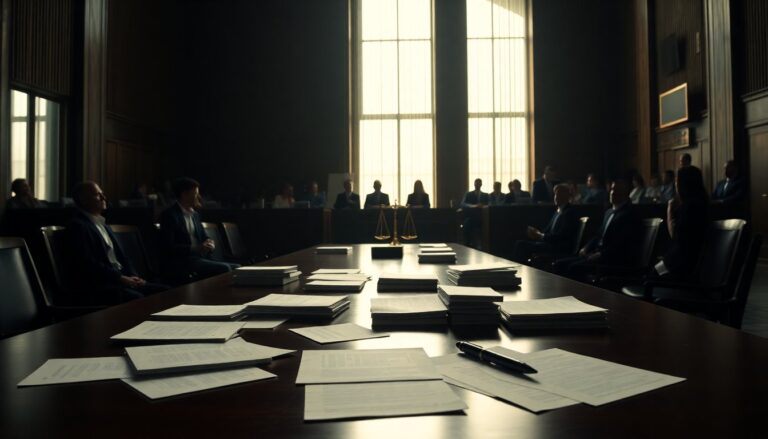
The ongoing trial of former President Jair Bolsonaro is capturing significant attention as it unfolds in Brazil. His defense team is concluding their final arguments, raising the stakes for the country.
Unpacking the Defense’s Arguments
Bolsonaro’s legal representatives argue that he has been denied a fair trial.
They assert that the proceedings have been expedited and politically motivated. Defense lawyer Celso Vilardi has publicly claimed inadequate access to evidence during the trial.
Furthermore, Vilardi contends that there is no evidence linking Bolsonaro to any coup attempt. This assertion is particularly striking given the serious charges he faces related to undermining Brazil’s democracy.
Analysts suggest this trial could significantly influence Bolsonaro’s supporters.
The Political Landscape: A Test for Democracy
To understand the context, Bolsonaro lost the 2022 election to Luiz Inacio Lula da Silva and has not accepted the outcome. His supporters engaged in a violent takeover of government buildings, signaling a push for military intervention.
The prosecution’s evidence suggests plans for a “state of siege,” indicating a serious threat to democratic norms.
This trial has attracted international attention, with figures such as Donald Trump expressing support for Bolsonaro. For critics, the outcome may serve as a crucial test of Brazil’s democracy, which has been in place for less than four decades.
The Dreyfus Comparison and Allegations of Bias
In an unexpected move, one of Bolsonaro’s attorneys compared the trial to the Dreyfus affair, arguing that an acquittal is essential to prevent a modern miscarriage of justice. This comparison raises questions about the fairness of the trial process.
Senator Flavio Bolsonaro has echoed concerns over alleged bias within the Supreme Court, asserting that some justices may have conflicts of interest. This situation prompts questions regarding the integrity and impartiality of the judiciary.
Justice Alexandre de Moraes has firmly rejected these allegations, emphasizing that national sovereignty is paramount. The trial represents not only a legal challenge but also a significant moment for Brazil’s democratic fabric.
Looking Ahead: What’s Next for Bolsonaro?
As the trial nears its conclusion, Bolsonaro faces a possible sentence of 43 years in prison if convicted. The impending verdict carries substantial implications for Brazil’s political landscape.
This case underscores the complex relationship between politics and justice in Brazil. It reflects a society wrestling with its identity and future. As the situation evolves, public discourse will remain critical. Stakeholders are encouraged to share their perspectives on this pivotal moment in Brazilian history.
