

Could your love for matcha be causing more harm than good? Let's dive into the unexpected health risks associated with this popular drink.
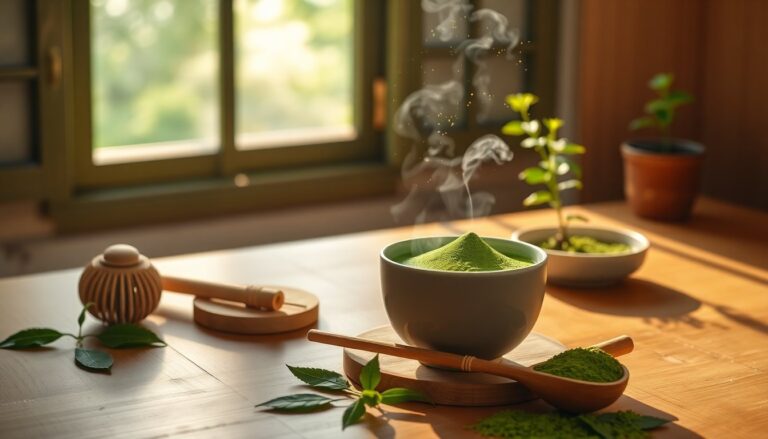
Matcha’s Popularity and Health Benefits
Matcha, made from the leaves of the Camellia sinensis plant, has gained significant attention for its health benefits. The beverage is celebrated for boosting metabolism, promoting heart health, and protecting the liver. Additionally, matcha serves as a flavorful alternative to traditional coffee.
However, moderation is essential.
Health experts have recently voiced concerns regarding the overconsumption of matcha, particularly as it becomes a staple in many daily routines. The increasing availability of matcha lattes in coffee shops has made it easy to indulge without considering potential health implications.
What are the risks associated with excessive consumption?
The Iron Deficiency Dilemma
Matcha may interfere with the absorption of non-heme iron, which is prevalent in plant-based foods. Dr. Sophie Dix notes that regularly consuming multiple cups of matcha, especially during meals, can lower iron levels.
This may lead to iron deficiency anemia, a serious condition.
Lynn Shazeen, a 28-year-old nurse and influencer, has shared her experience with severe anemia linked to her matcha consumption. Her candid disclosure of blood test results on social media has sparked discussions about the need for balance in our dietary choices. Could a beloved beverage have unintended health consequences?
Other users have recounted similar experiences, highlighting a growing concern among matcha enthusiasts. So, how can individuals enjoy matcha while mitigating health risks?
Finding the Right Balance
Dietitian Jenna Warner emphasizes that overconsumption of caffeinated beverages, including matcha, can suppress appetite. This may lead to replacing nutrient-rich foods with beverages lacking essential iron. Achieving balance is crucial.
To maintain healthy iron levels, experts recommend pairing matcha with iron-rich meals and foods high in vitamin C, such as oranges or bell peppers. This combination can enhance iron absorption, ensuring proper nutrition while enjoying matcha.
The key takeaway is to enjoy matcha in moderation, ideally limiting intake to one or two cups daily, particularly for those at risk of low iron levels. Consulting a healthcare provider for personalized advice is advisable.
As you enjoy your matcha, remember that moderation is vital. How do you maintain a healthy balance with your matcha consumption? Share your insights below.
