

Alejandro Toledo's sentencing is just the tip of the iceberg in Peru's ongoing political drama. What does this mean for the future?
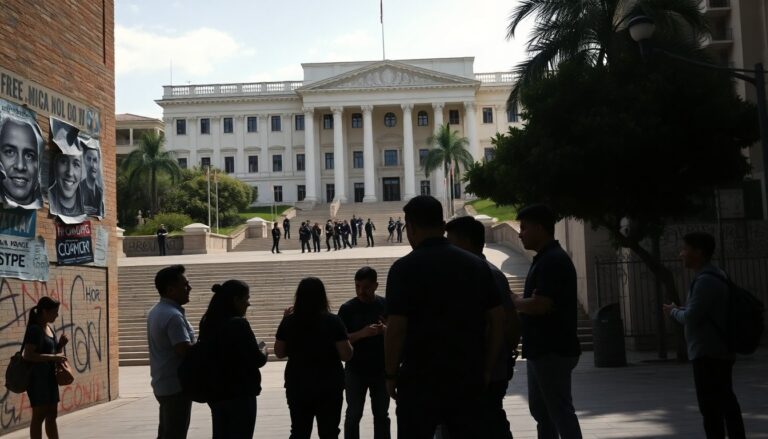
Former President Alejandro Toledo of Peru has been sentenced to 13 years and four months in prison for money laundering. This conviction highlights a broader issue of corruption that has long affected the country.
The Backstory: Toledo’s Rise and Fall
Alejandro Toledo served as Peru’s president from 2001 to 2006. His recent legal troubles are not an isolated incident; he has been found guilty of accepting bribes from the Brazilian construction company Odebrecht. The extent of corruption involving various political leaders raises serious concerns about governance in Peru.
According to prosecutors, Toledo and his wife funneled approximately $5.1 million through an offshore company in Costa Rica to purchase luxury properties in an affluent Lima neighborhood. This case exemplifies blatant disregard for the law and ethical standards.
This conviction marks Toledo’s second legal setback.
In October 2024, he received a 20-year and six-month sentence for accepting up to $35 million in bribes from Odebrecht in exchange for public contracts. Notably, both sentences will run concurrently, resulting in him serving them simultaneously.
Political Implications: A Broader Crisis
Toledo is not alone; he is one of five former presidents currently imprisoned in Peru. This situation raises critical questions about the integrity of Peru’s political system. Why have so many leaders engaged in corrupt practices? Is there a systemic issue that needs urgent attention?
Take Martin Vizcarra, for example. He was recently released by a court while awaiting trial for accepting bribes over a decade ago. Though he denies the charges, claiming political persecution, the number of leaders facing similar accusations suggests a troubling pattern. This could signify a pivotal moment for voters in Peru.
The Odebrecht scandal has affected multiple governments across Latin America, revealing the fragility of political systems in the region. The fact that nearly all of Peru’s presidents this century have been implicated in corruption cases is alarming.
A Glimpse into the Future
As Toledo begins his sentence in a police base prison in Lima, it is vital to consider the future of Peru. Will there be reforms to address the underlying causes of corruption, or will the status quo persist?
With Pedro Pablo Kuczynski also facing trial, the stakes remain high for the country. It is essential for the citizens of Peru to remain informed and engaged during this critical time. The ongoing fallout from these corruption cases has the potential to reshape Peru’s political landscape for years to come.
In conclusion, the citizens of Peru deserve transparency and accountability from their leaders. This ongoing crisis presents an opportunity for meaningful change in governance.
