

The renaming of a historic Welsh manor has ignited a firestorm of controversy, with local residents expressing deep concern over cultural identity and heritage.
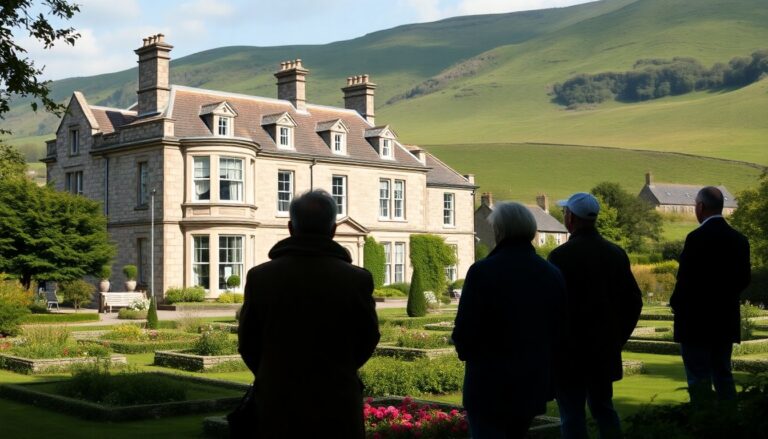
A historic manor house in North Wales, known as Plas Bodegroes, has been controversially rebranded as Bromfield Hall, sparking outrage among local residents. The decision to change the name of this Grade II-listed property, which dates back to the 1780s and is situated on the Llyn Peninsula, has faced severe criticism.
Some locals have labeled the change as shameful and a disgrace. This renaming occurs at a time when the preservation of Welsh culture and language is paramount to the community.
Background of Plas Bodegroes
Plas Bodegroes was originally constructed in the 1780s as a family residence for solicitor William Griffith.
The property boasts a rich history, having housed Wales’ only Michelin-starred restaurant until 2006. Following its conversion into a self-catering holiday rental in early 2021, it was added to the Big House Experience holiday booking website under its new name, Bromfield Hall.
This decision has reignited longstanding concerns regarding cultural appropriation in a predominantly Welsh-speaking area, where maintaining traditional Welsh names is vital to the language movement.
Local historian John Dilwyn Williams expressed his discontent with the name change, stating, “It’s stupid and inexcusable – there’s no point, and I can’t understand why people believe they have a right to do such a thing.” This sentiment reflects a broader frustration within the community about the erosion of Welsh identity.
Official Response and Justifications
In response to the backlash, Big House Experience clarified that the renaming was intended merely as a marketing strategy. In a letter to a local resident, the company stated that the name Bromfield Hall was implemented for security purposes and to protect bookings, claiming that English customers often “struggle with Welsh-sounding names.” This justification has done little to quell the outrage.
Director Gareth Allen emphasized that there was no intention of disrespect. He elaborated, “We do it for security reasons in many cases – the owners don’t like clients being able to just turn up to have a quick look, or worse still, to show would-be thieves where a house is located.” He added that this practice is common across the holiday rental industry and that names are always chosen with the owner’s consent. However, many locals view this as an undermining of their cultural heritage.
Historical Significance and Community Sentiment
Plas Bodegroes is not just a building; it represents a piece of Welsh history. The property has retained its original name on its promotional channels despite the rebranding on the booking website. This highlights the continued commitment of some owners to preserve the integrity of their heritage.
As the debate continues, it is clear that the renaming of Plas Bodegroes has touched a nerve within the community. The sentiment among locals is that preserving Welsh names is essential to maintaining their identity and heritage in a world increasingly dominated by English influences. The decision to change the name is viewed as a symbol of a broader trend of cultural appropriation, which many in the community are determined to resist.
In conclusion, the controversy surrounding the renaming of Plas Bodegroes serves as a reminder of the importance of cultural preservation and the need to respect local heritage. As the community voices its discontent, it remains to be seen whether the decision will be reversed or if this will become a rallying point for the preservation of Welsh culture.
