

The SDLP's accidental proposal for a levy on agri-food profits raises questions about environmental accountability.
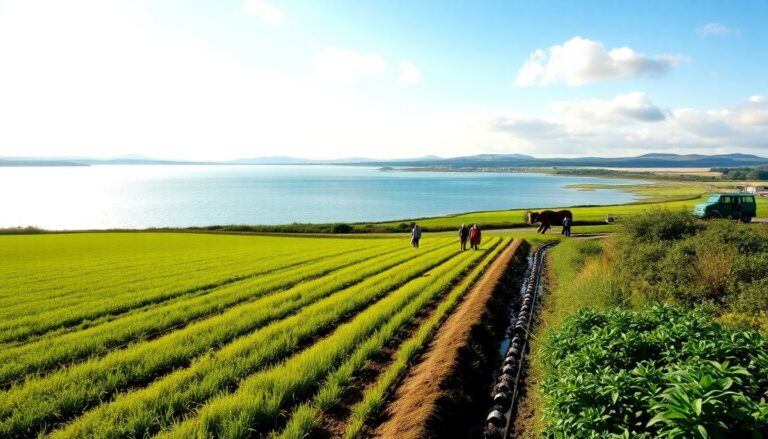
The Social Democratic and Labour Party (SDLP) has proposed a 1% levy on the profits of large agri-food companies to combat environmental damage at Lough Neagh. This measure could generate approximately £7.5 million annually, funding the employment of 100 advisors to assist farmers in reducing nutrient pollution.
Critics, however, argue this approach resembles past policies that failed to address the core issues of environmental degradation.
Background of the SDLP Proposal
The SDLP’s initiative is a response to ongoing environmental crises affecting Lough Neagh. In 2017, the Department of Agriculture, Environment and Rural Affairs shifted to an educational model for environmental management, moving away from strict enforcement.
This change has drawn criticism for its ineffectiveness, allowing polluters to persist in harmful practices without sufficient oversight. Critics contend that leniency towards polluters in any new plan may be naive or disingenuous.
Despite skepticism, the concept of a levy is noteworthy.
The SDLP has yet to clarify operational details of this levy, but it represents a potential shift in corporate taxation. Stormont could implement this tax, as Westminster has previously facilitated devolved corporate tax at Stormont’s request. However, political instability and the COVID-19 pandemic have delayed any concrete steps toward its implementation.
Challenges and Opportunities of Devolved Taxation
The initial goal of pursuing devolved corporation tax was to align rates with those of the Republic of Ireland. However, the tax landscape has evolved significantly since then. The UK’s main corporation tax rate has increased by four percentage points, nearly doubling tax revenue from Northern Ireland. This change raises the equalization cost to an estimated £1 billion, currently deemed unfeasible.
Nonetheless, the SDLP’s proposal could enable a tailored taxation approach, allowing for different rates across industries. Already, there are differentiated rates for small businesses, banks, and oil and gas companies. For the SDLP’s plan to succeed, amendments to existing legislation may be required. Such changes would facilitate the introduction of the agri-food levy and support a broader multi-sectoral tax regime.
The Path Forward: A Multi-Sectoral Tax Regime
Implementing a differentiated tax regime could provide Stormont with tools to reward environmentally friendly practices while penalizing polluters. Sinn Féin has expressed interest in a comprehensive industrial strategy favoring sectors like software and advanced manufacturing, potentially allowing for reduced rates in these areas. Conversely, agri-food industries may face higher tax rates or delayed benefits until they demonstrate improved environmental practices.
Opponents of the SDLP’s levy argue it may inadvertently increase food prices. However, delaying tax cuts until pollution decreases could alleviate this concern. The focus must remain on accountability within the agri-food sector, a significant contributor to agricultural pollution.
While establishing an innovative tax regime at Stormont may appear ambitious, it could simplify the current system. Presently, the framework relies on a complex array of grants and support mechanisms, often costly and inefficient. By reallocating funds toward targeted tax cuts, Stormont could streamline operations and empower industries to utilize resources more effectively.
Ultimately, the SDLP’s proposal, despite facing skepticism, initiates a crucial dialogue about environmental responsibility and fiscal policy. As Stormont confronts these challenges, the potential for a more accountable and effective taxation approach remains a vital topic for discussion.
