

As Afghanistan grapples with the aftermath of a major earthquake, the human toll is staggering. Here's what you need to know.
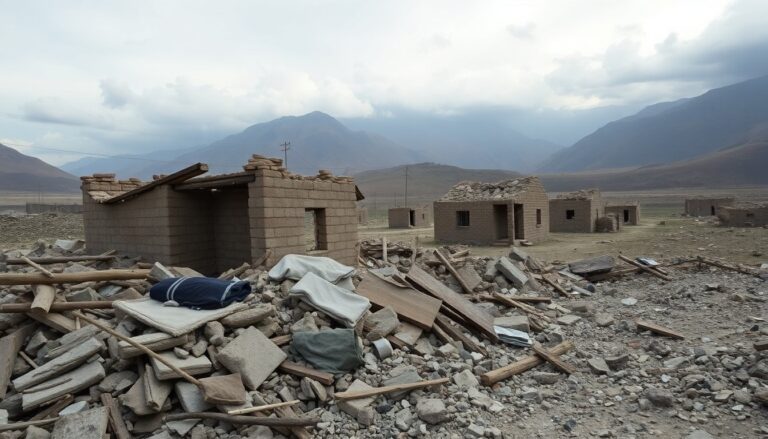
This past weekend, Afghanistan endured a devastating natural disaster, leaving thousands in peril. A magnitude 6 earthquake struck, followed by a 5.5 quake just days later, resulting in a significant humanitarian crisis. Reports indicate over 2,200 casualties and thousands more injured, particularly in the Kunar province, which suffered the most damage.
The Scale of Devastation
The statistics are alarming: more than 6,700 homes have been destroyed, rendering many communities unrecognizable. The Taliban’s spokesperson reported a substantial loss of life, with recovery efforts ongoing. The heartbreaking task of sifting through debris to find loved ones is unimaginable.
John Aylieff, the country director for the World Food Programme, characterized the aftermath as one of utter devastation. He emphasized the destruction of homes made from wood and mud-brick, common in Kunar’s steep valleys. This disaster transcends mere property damage; families have lost everything, including their loved ones.
How can rebuilding commence after such a tragedy?
Challenges in Aid Delivery
The rugged terrain complicates relief efforts. Helicopters and army commandos are being deployed, but accessing remote villages isolated by landslides remains a challenge. The World Food Programme struggles to distribute supplies, and their resources are alarmingly limited to just a few weeks.
Imagine relying on makeshift transport—small trucks and pack animals—to deliver food and supplies. This reflects the resilience of the communities involved but also underscores the critical nature of the situation. Who else feels a mix of admiration and sorrow for those striving to make a difference?
Personal Stories from the Ground
The human stories emerging from this disaster are profoundly affecting. Akhlaq, a 14-year-old boy, lost five family members in the quake. His experience, like many others, underscores the personal toll of this crisis. Obaidullah, searching for a friend, discovered only rubble where a home once stood. These narratives remind us of the real people behind the statistics.
Ehsanullah Ehsan, head of disaster management for Kunar, noted that it remains unclear how many more bodies may be trapped. This grim reality leaves families in a perpetual state of hope and despair. This situation raises difficult questions about how we can assist from afar. What steps can we take to support those impacted?
Looking Ahead
As rescue efforts persist, uncertainty looms over the future of these communities. Afghanistan has a history of catastrophic earthquakes, but this one strikes at a particularly vulnerable moment. With global attention focused on the region, how can we ensure these voices are heard and that aid reaches those in need?
Let’s keep this conversation active. What strategies can we employ to raise awareness, and how can we best support recovery efforts? Share your thoughts, and let’s collaborate on solutions! #AfghanistanEarthquake #HumanitarianAid
