

The situation in Gaza City intensifies as Israel targets a high-rise building, signaling a major escalation in military operations.
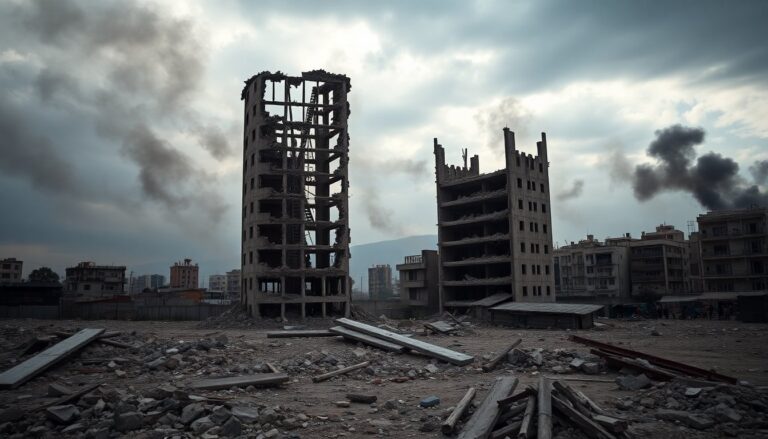
On Friday, Israel launched a significant missile strike on the Mushtaha tower in Gaza City, marking a critical moment in its military campaign aimed at controlling the area. This strike aligns with Israeli Defense Minister’s assertion that military actions will escalate, warning that the current offensive phase is just the beginning.
Israel’s actions follow the mobilization of tens of thousands of reservists and the issuance of evacuation orders as it prepares to expand operations against Hamas strongholds.
Details of the Strike
The Mushtaha tower, located in the Rimal neighborhood of Gaza City, has previously sustained damage from Israeli airstrikes.
Following the attack on Friday, reports indicated that the building was used for Hamas surveillance activities, according to the Israeli military. Eyewitnesses confirmed that the army did not provide adequate time for residents to evacuate before the strike. Local resident Ahmed al-Boari noted that the area had seen an influx of displaced families seeking refuge as military operations intensified.
In the hours following the strike, the Palestinian Health Ministry reported that 69 bodies arrived at local hospitals, raising concerns regarding civilian casualties. As Israel continues its offensive, residents remain on edge, grappling with the psychological toll of ongoing conflict and uncertainty regarding their safety.
Background on Military Operations
Israel’s decision to declare Gaza City a combat zone has led to parts of the city being designated as “red zones,” compelling residents to evacuate ahead of anticipated heavy fighting. This strategic classification indicates an escalation in military engagement, as Israel aims to dismantle Hamas’ operational capabilities. The increased military presence and accompanying evacuation orders have sparked public outcry and fears among Israeli citizens regarding the safety of hostages still held in Gaza.
Currently, 48 hostages remain in captivity, with 20 believed to be alive. The ongoing military offensive has raised alarms within Israel as families of the hostages voice concerns over the potential risks posed by the military campaign. The tension is palpable as conflicting narratives and the need for military success clash with the humanitarian implications of the ongoing strikes.
Public Reaction and International Response
The Israeli public’s response to intensified military actions has been mixed, with protests emerging against the potential repercussions for hostages. In a recent propaganda video released by Hamas, two hostages pleaded for the war to end and to be reunited with their families. This video amplifies the emotional stakes of the ongoing conflict, which has now entered its second year.
International condemnation continues to mount, with human rights groups and various governments expressing deep concern over the escalating violence and increasing civilian casualties. As the conflict evolves, the focus remains on the humanitarian crisis unfolding in Gaza, with calls for a ceasefire growing louder amid the ongoing military operations.
Conclusion
The situation in Gaza City is rapidly deteriorating as Israel intensifies its military offensive, with the recent strike on the Mushtaha tower serving as a stark reminder of the conflict’s escalating nature. The ramifications of these actions could have far-reaching consequences for both the residents of Gaza and the hostages still held captive. As the international community watches closely, the need for a resolution remains critical to prevent further loss of life and suffering.
