

Discover essential tips for deadheading hydrangeas to ensure a beautiful display of blooms in your garden next spring.
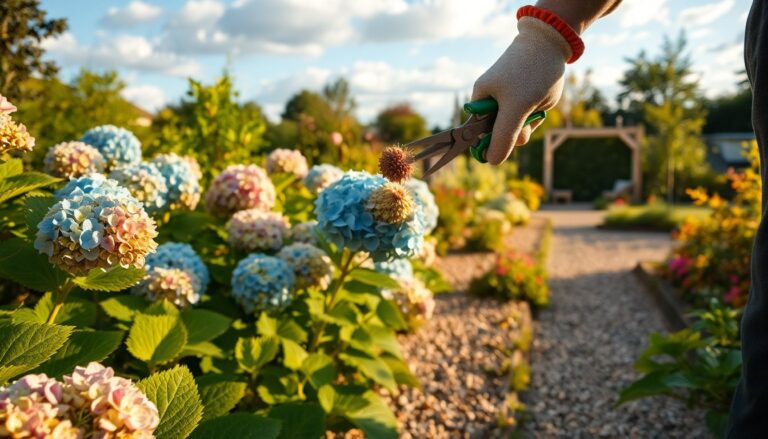
As temperatures drop and winter approaches, gardeners should prepare hydrangeas for a stunning bloom next spring. A simple task—deadheading the fading flowers—can significantly enhance the health and vitality of these beloved plants.
Understanding the Importance of Deadheading
Deadheading is the process of removing spent flowers from plants.
Gardening experts emphasize that this practice is crucial for hydrangeas. It shifts the plant’s focus from seed production to root and foliage growth. In simpler terms, deadheading hydrangeas allows them to strengthen and thrive. One gardening specialist stated, “When you deadhead hydrangeas, you aren’t harming the plants at all.” Instead, you promote a healthier plant that can produce more vibrant flowers in the upcoming season.
Experts recommend deadheading hydrangeas throughout their growing season and until early autumn. However, it is essential to stop before the first frost arrives. Continuing to deadhead too late can expose fresh growth to freezing conditions, damaging the plant and jeopardizing future blooms.
Timing is Everything
Knowing when to stop deadheading is critical. Gardeners should be aware of the expected arrival of the first frost in their area. It is generally advised to cease deadheading about four weeks prior to the frost. This timing protects new growth and ensures that the buds needed for next spring’s flowers remain intact. A gardening expert noted, “Stop deadheading hydrangea shrubs in mid to late autumn, leaving any spent blooms in place.” This practice provides visual interest during winter and safeguards the buds that will bloom in spring.
In preparation for deadheading, gather your tools. All you need is a pair of garden gloves, pruning shears, and a container for the removed flowers. It is also important to ensure your pruning shears are clean to prevent the spread of any fungal infections. A quick wipe with a cloth dampened in rubbing alcohol will suffice.
How to Deadhead Hydrangeas Effectively
Once equipped, identify the blooms that have faded or turned brown—these are the flowers to remove. The correct technique involves cutting the finished flowers above healthy leaf pairs to encourage robust future growth. The gardening specialist emphasized, “To deadhead your hydrangeas, simply take each spent bloom and follow its stem down to the next set of large leaves—that’s where you make the cut.”
After each cut, it is wise to clean the shears with the alcohol-dampened cloth to maintain hygiene. Additionally, clearing fallen leaves from the ground is crucial, as they can attract pests and lead to excessive nitrogen in the soil, which may harm the plants.
Typically, the entire deadheading process should take no more than ten minutes. Yet, this quick task can yield significant benefits, leading to larger, healthier, and more abundant flowers come spring. With these expert tips in mind, gardeners can look forward to a vibrant display of hydrangeas in their gardens next year.
