

Are wildfires wreaking havoc on our air quality more than we realize? Let's dive into the shocking truths.
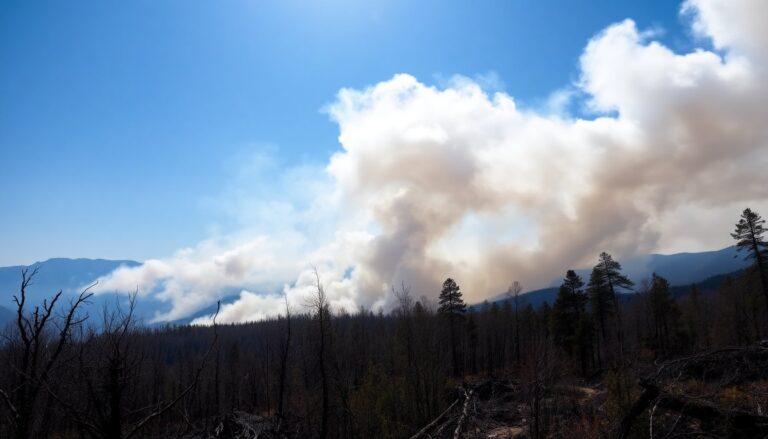
Have you considered the far-reaching consequences of wildfires? While their immediate destruction is often highlighted, the long-distance effects are less discussed. Wildfires do not only pose a local problem; they generate pollution that can compromise air quality thousands of miles away.
The Global Reach of Wildfire Smoke
Wildfires release a complex mixture of pollutants. According to the World Meteorological Organization (WMO), these events are becoming increasingly frequent due to climate change. Wildfires emit toxic particles that can travel vast distances. For instance, smoke from a fire in the Amazon can impact air quality in Europe.
In its recent report, the WMO noted that wildfires in regions such as Canada and Siberia released significant amounts of particulate matter (PM2.5), which poses serious health risks. These minute particles can infiltrate the respiratory system and even enter the bloodstream, posing a hidden danger to public health.
Last year, wildfires resulted in elevated PM2.5 levels in areas like Canada and central Africa, with the Amazon basin being particularly affected. The smoke travels, altering air quality far beyond the fire’s immediate vicinity, transforming what is primarily an environmental issue into a public health crisis.
Why Should We Care?
Air pollution is associated with severe health consequences. The World Health Organization estimates that over 4.5 million people die prematurely each year due to air pollution. This statistic underscores the seriousness of the issue, highlighting a reality that affects families worldwide. Discussions about wildfires are intrinsically linked to threats to human health and well-being.
Some cities have made remarkable progress in improving air quality, as seen in Shanghai and several U.S. cities. These successes illustrate that proactive measures can yield positive outcomes. The WMO emphasizes the need for better air quality monitoring and the implementation of policies that safeguard both the environment and public health.
What Can We Do About It?
While the scale of these issues may seem daunting, every action counts. Whether it involves sharing information, advocating for policies that improve air quality, or being mindful of our carbon footprints, individual contributions matter.
Consider what initiatives your local government is pursuing regarding air pollution. Engaging with local programs or raising awareness can catalyze change. Starting conversations about how to achieve cleaner air in our communities is essential. How can we collaborate to make a difference?
In conclusion, wildfires affect everyone, not just those living nearby. By understanding the link between wildfires and air quality, we can more effectively advocate for our planet and health. Let’s continue this important conversation. What are your thoughts on the matter?
