

As protests erupt across Indonesia, citizens voice their frustrations over economic disparities and political indifference.
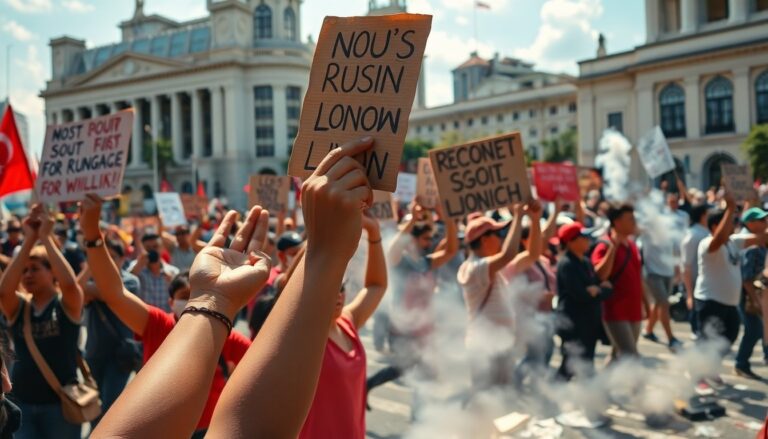
Protests have erupted across Indonesia, driven by rising living costs and perceptions of a government disconnected from the populace. This ongoing unrest reflects deep-seated frustrations among citizens.
What sparked the public outrage?
The wave of protests began in late August following reports that politicians were receiving a housing allowance of $3,000 in addition to their substantial salaries.
This figure represents 10 to 20 times Indonesia’s minimum wage, exacerbating feelings of injustice among citizens already facing a cost-of-living crisis.
This incident is part of a larger pattern of discontent. Earlier this year, students protested against various government policies, including military involvement in politics and budget reductions.
Protests have since spread across Java, Sumatra, Sulawesi, and Kalimantan, raising urgent demands for government accountability.
The situation escalated tragically when Affan Kurniawan, a 21-year-old delivery driver, was killed by a police vehicle during a protest. This incident fueled further demonstrations, as the demand for justice and accountability intensified.
The voices of the people
Citizens have voiced their concerns regarding the root causes of these protests. Imran, a food delivery driver, highlighted the economic inequality that plagues the nation, noting not only income disparities but also inequalities in education, health, and public services. These multifaceted issues warrant urgent attention.
Rahmawati, another citizen, expressed frustration at politicians who appear only during election cycles. She underscored the challenges posed by rising prices of essential goods, emphasizing that the protests are about feeling valued as members of society, not just economic hardship.
Local news sources indicate that the housing allowance for politicians has been abolished due to public pressure, marking a small victory for the protesters. However, ongoing cuts to education and healthcare continue to inspire calls for greater accountability and reform.
What’s next for Indonesia?
In the coming months, President Prabowo Subianto faces significant challenges. Despite his promises to enhance economic growth, skepticism remains following cuts to essential services. Political analysts suggest that addressing corruption and police brutality could help the administration regain public trust.
As protests continue and citizens rally for change, it is clear that the Indonesian populace is united in their struggle against inequality. Their collective voice is increasingly demanding democratic reform and accountability from their leaders. The future of Indonesia hinges on the government’s response to these pressing concerns.
