

As anti-tourism protests reshape Majorca's holiday landscape, locals reveal their longing for British visitors who traditionally fill their bars and restaurants.
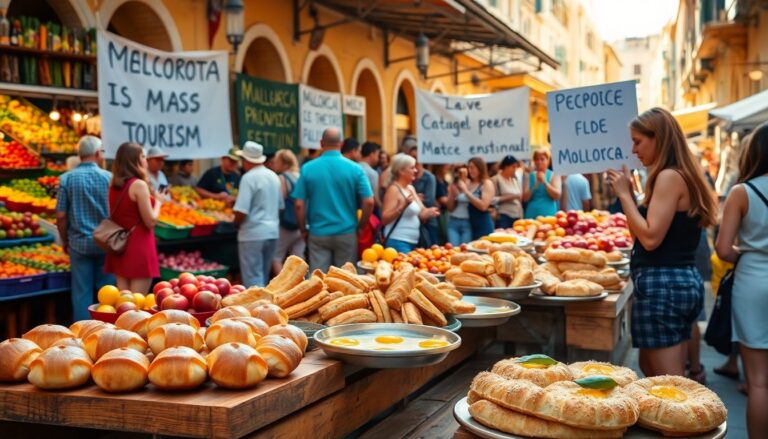
Recent anti-tourism protests in Majorca have led to an unexpected outcome: locals express a strong desire for the return of British holidaymakers. The Balearic Islands, renowned for their vibrant tourism industry, are witnessing a shift in visitor demographics, raising concerns among local businesses.
Changing Visitor Demographics
According to Olly from Lineker’s Bar in Majorca, a destination historically favored by British tourists, there has been a significant decrease in their numbers this year. “This is usually a British destination, but this year there are zero,” he told The Telegraph.
Instead, he noted an influx of tourists from Germany, France, Portugal, and Italy. However, these visitors often prefer all-inclusive accommodations, resulting in decreased spending at local establishments.
Carla, another staff member at Lineker’s, echoed Olly’s observations, stating, “The year started off well, but after June it got terrible.” She criticized the trend towards a more upscale tourism model that targets families, suggesting it has not translated into increased spending.
“They don’t go out for a party,” she lamented. The new clientele, she observed, often remain within their hotels, further straining local businesses.
One bartender summed up the situation succinctly: “We miss the English, because the English spend money.” This stark contrast in spending habits is profoundly felt across the island, where many establishments depend on the financial contributions of British tourists.
Impact of Government Policies
Earlier this year, the governments of Mallorca, Menorca, Ibiza, and Formentera announced plans to raise the Sustainable Tourism Tax to €6 (£5) per night during peak season. Additionally, car rentals may face a tax increase of up to €80 (£70), depending on the duration of the rental. These measures, intended to mitigate overtourism, may inadvertently deter visitors from returning.
Nathalie Reveny, deputy hotel manager at the five-star Zafiro Palace PalmaNova, noted an increase in last-minute bookings post-pandemic. She suggested that favorable weather back home in Britain has contributed to this trend. However, the financial impact on local businesses remains a pressing concern, as many establishments struggle to adapt to the evolving tourism landscape.
The shift in visitor demographics raises questions about the future of tourism in Majorca. Local businesses find themselves at a crossroads, attempting to balance sustainable practices with the economic realities of a changing tourist base.
Local Sentiment and Future Outlook
The sentiment among locals is evident: there is a palpable yearning for the return of British tourists. The combination of changing visitor habits and government tax policies has led to a concerning decline in revenue for bars, restaurants, and other local businesses. As the situation unfolds, the community is left grappling with the consequences of anti-tourism protests, while hoping for a more balanced tourism model that accommodates all stakeholders.
In conclusion, the longing for British holidaymakers in Majorca underscores the broader implications of anti-tourism sentiment. While sustainability is a commendable goal, it must be balanced with the economic needs of local communities that rely on tourism for their livelihoods.
