

The UK housing market is facing a crisis as tax hikes and policy changes create uncertainty among builders. What's the way forward?
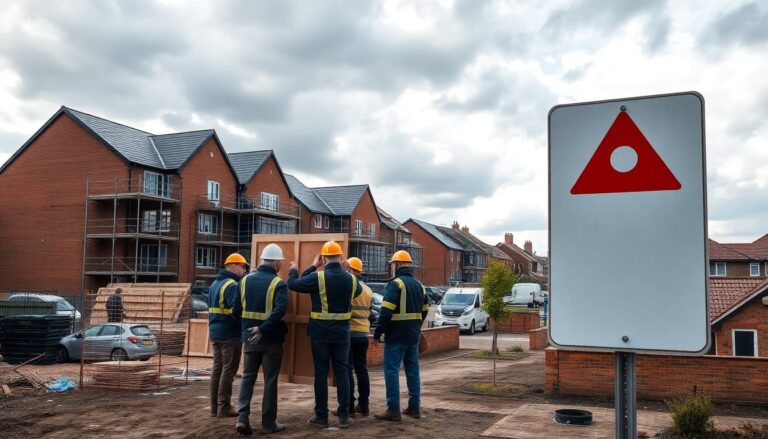
The UK housing market is currently facing significant challenges. Builders are urging the Labour government to reconsider recent tax increases and streamline regulations hindering new home construction. The resignation of Angela Rayner as Housing Secretary adds to the uncertainty surrounding this situation.
The Current Situation: A Major Housing Crisis
The government aims to build 1.5 million new homes during this parliamentary term. However, it appears they will fall short of this target. Recent reports indicate that only 38,780 homes were completed from January to March this year, well below the 75,000 required each quarter to meet demand.
Rising mortgage rates from institutions like Nationwide and Virgin Money have further exacerbated the situation. Hina Bhudia from Knight Frank Finance noted that increases from Nationwide often trigger a wider market reaction. Thus, the issue extends beyond the number of homes built; it also encompasses their affordability.
Moreover, builders are confronted with a combination of regulatory hurdles and economic pressures. The Berkeley Group has called on Chancellor Rachel Reeves to refrain from imposing additional tax hikes in her upcoming budget, asserting that deregulation is essential for facilitating new developments. The pivotal question remains: will the government heed these calls?
The Impacts of Policy Changes
As political dynamics shift, the construction industry feels the pressure. An executive from a competing building firm highlighted that high taxes and inflation inhibit growth and investment. This situation raises concerns about the future of housing development and job creation.
Melanie Leech from the British Property Federation emphasized the necessity for a government that instills confidence, particularly during this tumultuous period. With recent leadership changes, investors may find it challenging to feel secure in their decisions. Can a new housing secretary effectively address these issues?
It is also vital to recognize the role of community in this context. The construction sector extends beyond mere buildings; it encompasses the individuals who inhabit those homes. To promote sustainable growth, policies must support both builders and the communities they serve.
Looking Ahead: What’s Next?
As we consider the future, the path forward appears uncertain yet feasible. The government faces a choice: persist with high taxes and stringent regulations or shift toward a more conducive environment for housing development. A change in approach could yield significant opportunities.
The upcoming budget will be critical. Builders expect tangible actions to restore confidence in the market. Striking a balance between necessary regulations and creating an environment conducive to development is essential. What changes do you believe are necessary for progress?
In conclusion, while the current state of the housing market presents substantial challenges, there remains potential for positive transformation. The response to these issues will be crucial in shaping the future of the housing sector. Ongoing dialogue will be key to navigating these complexities.
