

A nationwide test of the emergency alert system is set for Sunday, reminding citizens of the importance of preparedness.
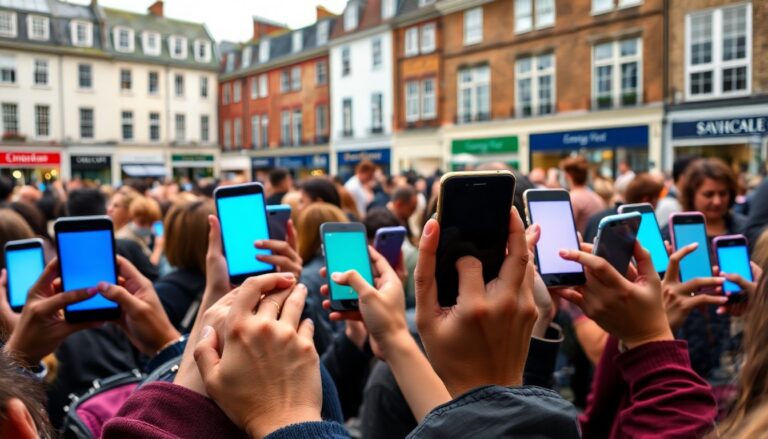
On Sunday, Britons will participate in a crucial test of the national emergency alert system. This system is designed to ensure readiness in case of actual emergencies. At approximately 3 PM, mobile phones connected to 4G and 5G networks will vibrate and emit a distinctive siren sound for up to 10 seconds.
The exercise aims to familiarize citizens with the alert mechanism and encourage a culture of preparedness.
Details of the Emergency Alert Test
This is the second test of the emergency alert system, following a previous drill conducted in 2023. During the test, mobile phone users will receive a clear message indicating that the alert is a drill.
The government has emphasized that this exercise is essential for maintaining public safety and ensuring the system functions effectively when needed.
The emergency alert system has been used to issue real warnings on five occasions. Notably, a significant alert was issued in January during Storm Eowyn, informing residents in Scotland and Northern Ireland about severe weather conditions.
Additionally, last December, around 3.5 million people across Wales and south-west England received alerts during Storm Darragh.
In February, a notable use of the system occurred when a 500kg unexploded WWII bomb was discovered in a Plymouth backyard. This incident triggered alerts to approximately 50,000 phones. The system is capable of targeting specific geographic areas, ensuring alerts are directed to those most at risk.
The Importance of the Alert System
Recent alerts have demonstrated the effectiveness of this system. For instance, 15,000 notifications were sent during flooding in Cumbria in May 2024, and 10,000 alerts were issued during flooding in Leicestershire earlier this year. These incidents highlight the system’s capacity to inform citizens promptly and effectively about immediate dangers.
Officials have designed the emergency alert system for the most likely emergencies that could impact the UK. In addition to mobile alerts, warnings will also be broadcast on television, radio, and through community outreach methods such as door-to-door notifications. This multi-channel approach ensures critical information reaches as many people as possible.
In preparation for the test, government officials have engaged in discussions with domestic violence charities. This collaboration addresses concerns for individuals who may need to opt out of receiving alerts. This consideration underscores the government’s commitment to inclusivity and safety for all citizens.
Official Remarks and Future Plans
Pat McFadden, Chancellor of the Duchy of Lancaster, reassured the public, stating, “I know Brits will keep their cool when phones across the UK make a siren-like noise today at 3 PM. It’s important to remember this is only a test, just like the fire drills we all do in our schools and workplaces.”
He further explained the purpose of the test, emphasizing, “We’re carrying out the test to make sure the system works well when we need it most, and afterwards, we’ll work with mobile network operators to assess performance.” With the test lasting just 10 seconds, it plays a vital role in keeping the country safe every day of the year.
As the test approaches, citizens are encouraged to remain calm and understand the importance of such drills in ensuring public safety and preparedness for real emergencies.
