

The Democratic Republic of Congo faces its 16th Ebola outbreak, with urgent measures being taken to contain the virus. Here’s what you should know.
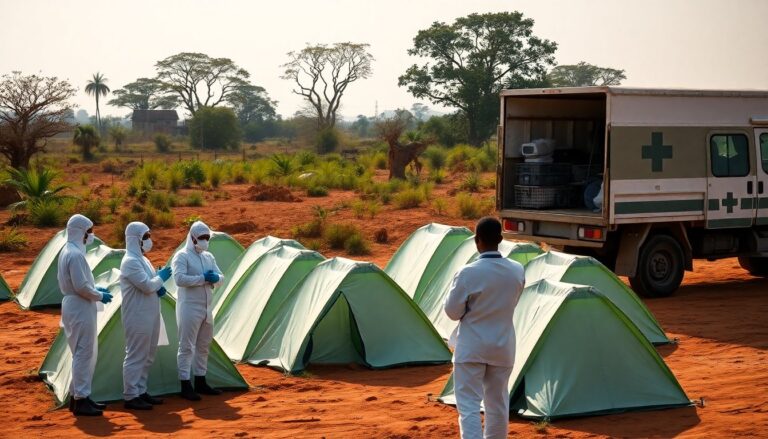
The Democratic Republic of Congo (DRC) is currently facing its 16th outbreak of Ebola, with at least 15 fatalities reported. This latest health crisis underscores the urgent need for attention and action. Here, we explore the situation and the response from health officials.
Understanding the Current Ebola Outbreak
The outbreak initiated in the southern region of the DRC last month, prompting swift action from health authorities. Currently, there are 28 reported cases, including four healthcare workers who have succumbed to the virus. The rapid emergence of cases is reminiscent of previous outbreaks.
The DRC’s health ministry responded when a 34-year-old pregnant woman was admitted to a hospital in Kasai province, exhibiting symptoms such as high fever and vomiting. This scenario illustrates how quickly such outbreaks can escalate. While the ministry has not confirmed if she is among the deceased, the urgency of the situation is evident.
Dr. Mohamed Janabi from the World Health Organization (WHO) highlighted the need for rapid action to contain the virus. A rapid response team is on the ground, focusing on improving disease surveillance and enforcing infection control measures in healthcare facilities. This proactive strategy is essential due to the virus’s potential for high transmission.
The Deadly Nature of Ebola
Ebola presents a significant threat, with a fatality rate of approximately 53.6%. The virus spreads swiftly through bodily fluids, and its primary symptoms—fever, vomiting, bleeding, and diarrhea—pose severe risks to both the infected individuals and their communities.
A critical challenge is that infected individuals do not become contagious until symptoms manifest, which can occur anywhere from two to 21 days post-exposure. This highlights the importance of early detection and isolation to prevent further spread. The WHO warns that continued transmission may lead to an increase in cases.
Fortunately, the WHO has confirmed that the DRC has a stockpile of treatments available and is dispatching over 2,000 doses of the Ervebo vaccine for healthcare workers and those in close contact with infected individuals. Previous instances of ring vaccination have proved effective, raising hopes for a successful response.
A Look Back at Past Ebola Outbreaks
This is not the DRC’s first encounter with Ebola. The last outbreak occurred three years ago, leading to six deaths, which is minor compared to the devastating outbreak from 2018 to 2020 that resulted in nearly 2,300 fatalities. It is crucial to learn from these experiences and refine response strategies.
Ebola was first identified in 1976 near the Ebola River in the DRC and has remained a persistent threat, especially in areas with inadequate healthcare infrastructure. The virus is naturally found in animals such as fruit bats and monkeys; consumption of uncooked bushmeat can also facilitate transmission. Education and awareness are vital in preventing future outbreaks, prompting discussions on effective community outreach.
In summary, while the situation remains critical, the international community is mobilizing support for the DRC. The upcoming weeks are pivotal, and response efforts will be closely monitored. It is essential to stay informed and engaged in conversations about contributing to global health security.
