

What’s happening in the luxury fashion world? Discover the challenges that online retailers like Yoox Net-a-Porter are facing amidst a shifting market.
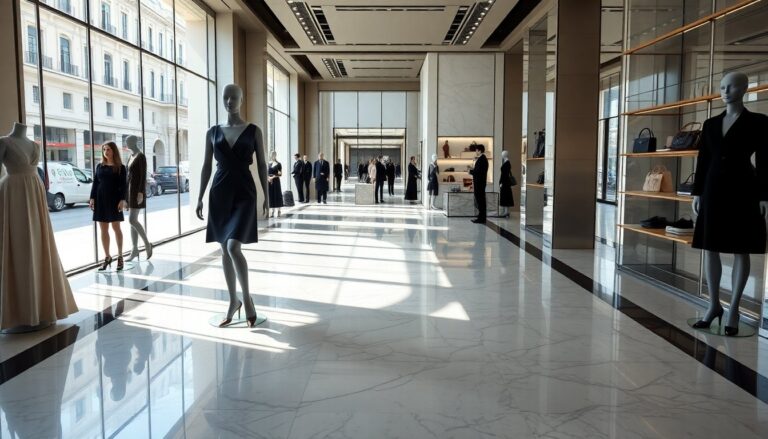
The luxury fashion industry is currently facing significant challenges, prompting a reevaluation of its future. This weekend, attention centers on Giorgio Armani, whose empire is valued at £6.9 billion. However, the focus will soon shift to the difficulties confronting online luxury retailers, which are grappling for survival.
The Crisis of Online Luxury Retail
Online luxury fashion retailers, once considered leaders in style, are now among the most prominent victims of a global downturn. This situation is not a fleeting issue; it represents a serious crisis exacerbated by recent economic factors, including tariffs introduced during the Trump administration.
Last week, LuxExperience, a notable player in the online luxury market, announced the layoff of 700 employees across its luxury divisions, including Yoox Net-a-Porter. Additionally, companies such as Canada’s SSense and Italy’s Luisaviaroma have already shut their doors.
The repercussions of this downturn are being felt industry-wide.
Threads Styling, a London-based platform saved by Chalhoub three years ago, recently revealed troubling news. In July, CEO Antonio Corso noted the company was selling off laptops and printers to maintain operations. Such actions highlight the severity of the situation within the sector.
Changing Consumer Preferences
Consumer preferences are shifting, particularly among Gen Z, who increasingly prioritize experiences over luxury items. This demographic appears to favor luxury travel over high-priced handbags, marking a significant change in spending habits.
From 2019 to 2023, the luxury market relied on substantial price increases for growth. However, this strategy has faltered as consumers tighten their budgets. Furthermore, tariffs on EU exports to the United States are expected to lead to even higher luxury prices.
Many high-end brands are also reclaiming control of their online presence by investing in their own websites, moving away from reliance on third-party retailers known for discounting. This strategic shift is causing considerable disruption in the market.
Rescues and Recoveries
Despite the challenges, there are signs of recovery. In December 2023, Farfetch, a leading name in luxury e-commerce, was rescued from bankruptcy by South Korea’s Coupang in a £370 million deal. This development is noteworthy, considering Farfetch was once valued at £4.9 billion at the time of its public offering.
Matches Fashion was acquired by Frasers Group, led by retail magnate Mike Ashley. However, the company has indicated that revamping Matches will be costly, leaving several brands and customers in uncertainty.
The luxury online shopping experience, popularized by Net-a-Porter in 2000, is currently facing its own set of challenges. The sector is striving to regain the 50 million customers lost since 2022.
Online luxury fashion retailers, once considered leaders in style, are now among the most prominent victims of a global downturn. This situation is not a fleeting issue; it represents a serious crisis exacerbated by recent economic factors, including tariffs introduced during the Trump administration.0
Online luxury fashion retailers, once considered leaders in style, are now among the most prominent victims of a global downturn. This situation is not a fleeting issue; it represents a serious crisis exacerbated by recent economic factors, including tariffs introduced during the Trump administration.1
