

Commuters in London are bracing for up to six days of chaos as the RMT union initiates a strike over working conditions, with the mayor declining to intervene.
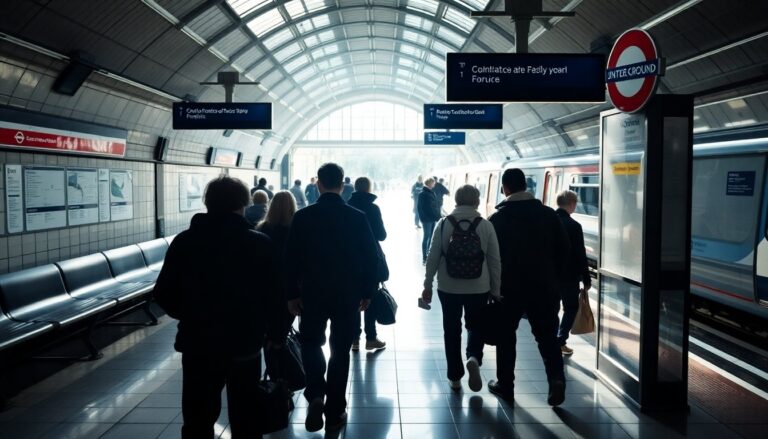
LONDON – The public transport system is currently in a state of crisis as a rolling strike by the RMT union threatens to disrupt the Tube for six consecutive days. The strike began on Sunday and will continue until Friday morning, driven by the union’s demand for a shorter working week.
Mayor of London, Sir Sadiq Khan, has stated he will not intervene, despite the significant impact on commuters.
Details of the Strike
The RMT union, which represents over 10,400 Tube workers, initiated this strike as part of their ongoing negotiations for improved working conditions.
The union is advocating for a 32-hour, four-day work week. This strike coincides with additional actions on the Docklands Light Railway (DLR), compounding the difficulties for commuters. As a result, Tuesday witnessed a complete shutdown of the Tube network, forcing hundreds of thousands of Londoners to seek alternative means of transport.
The RMT maintains that the strike is a necessary response to longstanding issues concerning shift patterns and staff fatigue. They argue that the current working conditions are untenable, and pressing for change through strikes is the most effective method to secure concessions from Transport for London (TfL).
Mayor’s Response
In a media statement, Mayor Khan emphasized his inability to intervene in the current dispute, referencing prior exceptional circumstances that justified his involvement. “Last year’s intervention was necessary due to record-breaking inflation levels,” he stated. “However, I cannot do so again. I encourage the RMT and TfL to negotiate and resolve their differences.”
This refusal to intervene has frustrated many commuters who rely on the Tube for daily travel to work, school, and medical appointments. The mayor acknowledged the strike’s adverse effects, saying, “These strikes are incredibly bad news for our city. They hinder patients from reaching appointments and disrupt parents trying to get their children to school.”
Commuter Impact and Alternative Solutions
With the Tube largely out of service, commuters have turned to alternative modes of transport. Reports indicate a significant surge in demand for e-bikes, with Lime reporting a 58% increase in usage. This situation has led to congestion on buses and other transport services as Londoners adapt to the disruptions.
Despite the challenges, many commuters remain determined to reach their destinations. “We have no choice but to find a way,” said a frustrated commuter. “This strike is holding the city to ransom.” It is crucial for both the RMT and TfL to find common ground to prevent further escalation.
Meanwhile, the strike on the DLR, which serves nearly 100 million journeys annually, adds another layer of complexity to London’s transport issues. DLR staff are set to strike on Thursday, further complicating travel for thousands commuting to Canary Wharf and other key areas.
As the week progresses, updates regarding the strike situation will be closely monitored. Authorities and commuters alike are hoping for a swift resolution to restore normal service to London’s vital transport network.
