

In a dramatic turn of events, Nepal witnesses deadly protests demanding accountability and freedom as the government lifts its social media ban.
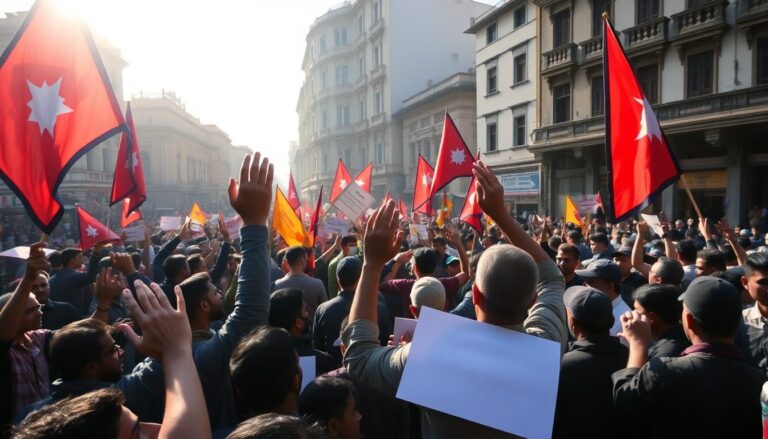
Recent events in Nepal have drawn significant attention, as protests erupt over allegations of government corruption and internet restrictions. These demonstrations have led to tragic outcomes, including the loss of at least 19 lives and the resignation of the home minister, highlighting the escalating tensions.
This article explores the situation’s background and implications.
The Protests: A Call for Change
Tens of thousands of citizens have taken to the streets, demanding their grievances be acknowledged. The protests were particularly fueled by a recent ban on social media, which many view as a means of disconnecting from global discourse.
For many young people in Nepal, platforms like Instagram and Twitter serve as essential tools for news, entertainment, and social connection.
As the demonstrations intensified, violence erupted. Reports indicate that security forces opened fire, resulting in 17 fatalities in Kathmandu alone.
The unrest spread to other regions, including Sunsari district, where many peaceful protestors sought to voice their frustrations.
One protestor, Iman Magar, recounted his experience: “I went for a peaceful protest, but the government used force.” This statement underscores the alarming reality of how quickly peaceful assemblies can devolve into violence when citizens feel their rights are under threat.
The Aftermath: Hospitals in Distress
The impact on local hospitals has been severe. Ranjana Nepal, an information officer at a local medical facility, described the chaotic conditions: “Tear gas entered the hospital area as well, making it difficult for doctors to work.” This scenario illustrates a disturbing breach of what should be a sanctuary for the injured.
With over 400 individuals injured, including more than 100 police officers, the scale of unrest poses critical questions regarding the justification of such a violent governmental response. This situation is alarming and raises concerns about the broader implications for civil liberties.
This is not the first instance of social media restrictions in Nepal; a TikTok ban was implemented last year, suggesting a troubling trend that many perceive as an infringement on freedom of expression.
A Generation’s Quest for Digital Rights
This unfolding crisis is not merely about protests but reflects a larger battle for digital freedom. Young Nepalis, particularly from Generation Z, are resolute in making their voices known. A recent article in the Kathmandu Post highlighted that “for them, digital freedom is personal freedom.” This perspective raises significant concerns: does restricting social media access equate to silencing an entire generation?
As organizations such as Amnesty International and the United Nations call for investigations into the violence, it is evident that this issue transcends Nepalese borders. It has sparked a global discourse about the influence of social media and its critical role in shaping societies.
What are your views on the effectiveness of protests as a tool against governmental corruption and censorship? We invite readers to share their thoughts in the comments below.
