

As Labour grapples with voter discontent, Bell Ribeiro-Addy and Bridget Phillipson step forward to lead the party's new direction.
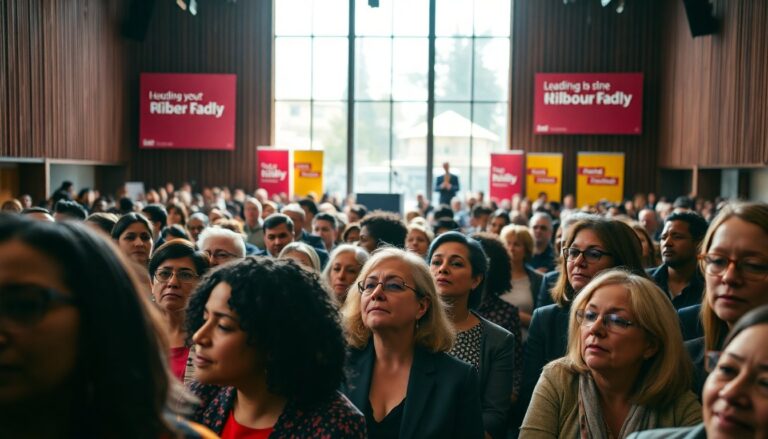
In a significant political move, South London MP Bell Ribeiro-Addy has officially declared her candidacy for the position of Deputy Leader of the Labour Party. Ribeiro-Addy, who represents Clapham and Brixton Hill, criticized current leader Sir Keir Starmer for what she describes as a loss of voter support to rival parties.
She emphasized the urgent need for the Labour Party to address key issues impacting its members and the electorate.
Ribeiro-Addy’s Concerns Over Party Direction
In a recent appearance on the BBC’s Today programme, Ribeiro-Addy articulated her concerns, declaring it “absolutely unfair” that MPs were given only three days to nominate a successor for the deputy leadership following Angela Rayner’s resignation.
She stated, “We do have to accept that we have to have a discussion about what members don’t like, and what voters don’t like, and what’s gone wrong.” This statement reflects her commitment to fostering open dialogue within the party.
Ribeiro-Addy pointed out specific grievances among Labour members, particularly regarding the party’s stance on the Gaza conflict, winter fuel allowances, and welfare cuts. “All of these things are things that we should be discussing,” she asserted, emphasizing that criticism of the party’s policies should not be silenced out of fear of appearing disloyal.
Furthermore, she warned that the Labour Party risks alienating voters if it does not adapt its approach. “We are currently haemorrhaging votes to the Lib Dems, to the Greens,” she stated, urging the party to reassert its identity and values to regain public trust.
Bridget Phillipson Joins the Race
Following Ribeiro-Addy’s announcement, Bridget Phillipson, the Education Secretary, also declared her candidacy for the deputy leadership. In a statement, she expressed her determination to unite the party and advocate for working-class individuals across the UK. “I am a proud working-class woman from the north east,” Phillipson said, reflecting on her journey from a challenging upbringing to her current cabinet position.
Phillipson highlighted her experiences in education reform, stating, “I’ve taken on powerful vested interests… I have never taken a backwards step.” Her campaign focuses on delivering better opportunities for young people, and she recognizes the urgency of the situation, stressing, “We are in a fight.”
The rising competition for the deputy leadership reflects the urgency within Labour to respond to growing public dissatisfaction, particularly in light of recent controversies. Following Rayner’s resignation due to a breach of the ministerial code, the party is at a crossroads that may define its future direction.
Political Landscape and Implications
As the Labour Party navigates internal challenges, the Deputy Leader position is more critical than ever. The candidates have until Thursday to secure the necessary support from their colleagues. Ribeiro-Addy and Phillipson’s bids come at a time when the party is experiencing significant scrutiny and pressure to reassess its strategies.
Additionally, the potential candidacy of other MPs, such as Dame Emily Thornberry and Dr. Rosena Allin-Khan, adds further complexity to the race. Thornberry, representing Islington South, may face challenges due to her proximity to Starmer’s constituency. The outcome of this election will not only shape the party’s leadership but also signal its response to the electorate’s current concerns.
Health Secretary Wes Streeting has voiced a preference for a female deputy leader, noting the importance of diverse perspectives within the party. As discussions continue, Labour’s ability to unite and address voter dissatisfaction will be vital for its future success.
