

A community search in Northumberland ended when a mountain rescue team deployed a thermal drone to locate a missing Staffordshire terrier, bringing an emotional reunion for its owner who had relied on the dog during cancer recovery
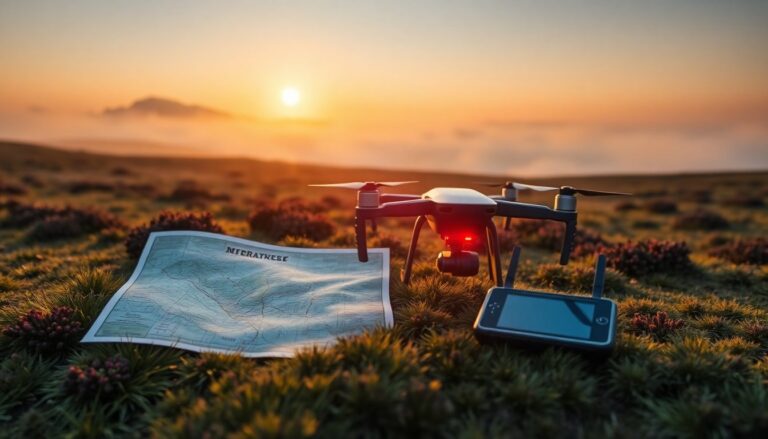
The search for a missing Staffordshire bull terrier in Northumberland drew neighbours, farmers and volunteers into three days of intensive looking. The dog, known locally as Jock, slipped free from his owner while out on the moors and faded into thick scrub.
The community conducted searches by foot, bicycle and quad bike in high temperatures, but it was a mountain rescue team’s use of a thermal drone that ended the ordeal within minutes.
Owner Andrew Charleton, who had relied on the dog during recovery from head and neck cancer, described the pet as a constant companion.
After days of calling and physically combing the landscape, the family’s hope was running low. The rescue team, usually tasked with saving people on remote fells, agreed to assist and deployed specialized equipment to locate the animal where conventional searching had failed.
Community search efforts and conditions
Local residents organized an extensive search involving farmers, gamekeepers and neighbours. Teams covered likely paths and scrubland during hot weather, often risking sunburn and heat exhaustion in temperatures reaching the high 20s Celsius. Some volunteers even camped overnight in the hope the dog might emerge as temperatures dropped. Despite walking within close proximity to the dog’s hiding spot at times, the searchers were unable to detect any sign of Jock.
Why a pet can stay undetected
Experts suggest that when animals become frightened, their instinctive response may be to remain motionless and silent—an immobilization strategy that helps avoid predators but also makes them hard to find. In this case, Jock likely entered such a state, remaining still in dense undergrowth. The combination of thick vegetation and the dog’s low profile meant visual searches, even when thorough, could miss him entirely.
Mountain rescue involvement and technology used
Rothbury councillor Steven Bridgett contacted the volunteer Mountain Rescue Team, who are funded by public donations and normally operate on the county’s moorlands. The team sent a small crew with a trained drone pilot and a duty controller to the area. Using the thermal imaging capability of the drone during the cooler early morning hours made the dog’s body heat easier to detect against the environment, enabling a rapid positive identification.
Deployment and outcome
The drone was launched near the last known location at first light and located Jock within ten minutes. He was found tethered in dense undergrowth by his lead, hungry but physically unharmed. The reunion was emotional: the owner ran to his dog, embraced him and broke down in relief. Volunteers described the moment as moving, underlining how valuable community solidarity and technology can be in search operations.
Aftermath and lessons learned
Despite enduring three days without food and water in warm conditions, Jock recovered quickly and has since returned to exploring the local moors. The owner has fitted a GPS tracker to the dog’s collar to reduce the risk of another disappearance. The team and the community called the outcome a near-miracle, noting the fortunate alignment of skilled volunteers, available equipment and timing.
Broader implications for searches
This episode highlights how technology such as thermal drones can complement traditional search methods, particularly when a missing subject is small and hidden in dense cover. It also demonstrates the value of coordinated community response and the judgment required to deploy volunteer rescue resources for non-human searches. While mountain rescue teams do not routinely search for pets, the right combination of personnel, equipment and circumstances can make a decisive difference.
Practical recommendations
Owners who walk in remote areas are advised to use sturdy leads and consider attaching a tracker to their pet’s collar. If a pet goes missing in rough terrain, early coordination with local authorities, community volunteers and, where available, teams equipped with thermal imaging can shorten search times and improve outcomes.
