

Several major acts pulled out of the Freedom 250 concert amid threats and controversy. President Trump has suggested scrapping the music lineup and staging a rally where he would deliver the main address, calling it an "America is back" celebration.
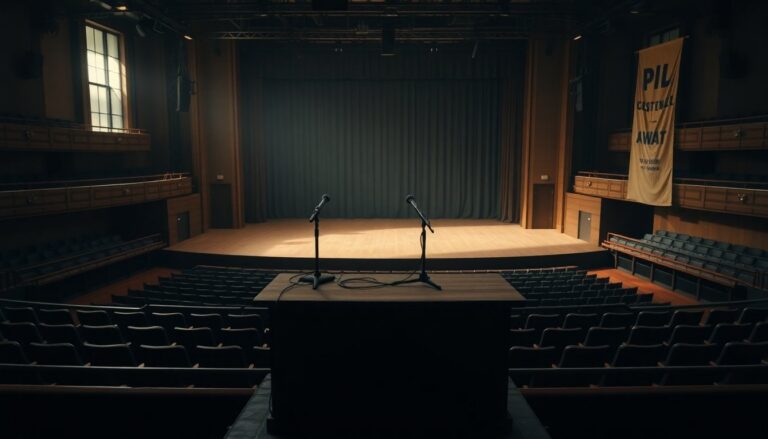
The planned national celebration known as Freedom 250 has encountered turmoil after multiple performers withdrawn in the days following the lineup announcement. With safety concerns and questions about the event’s political ties mounting, President Trump publicly floated the idea of transforming the concert into a rally and taking the central role as the event’s speaker.
In a lengthy post on his social platform, the President described himself as the “greatest of all time” and compared his draw to that of historic entertainers, arguing that a speech from him would attract audiences larger than those of famous performers.
Organizers and officials now face choices about the event’s character, timing and guest list as public debate continues.
Why artists withdrew and what they said
Several headline acts — including Bret Michaels, Morris Day, Young MC, the Commodores and Martina McBride — announced they would not perform, citing safety fears and objections to the event’s evolving affiliation.
Musicians reported they were initially told the program would be a nonpartisan tribute to America’s 250th anniversary, but later grew uncomfortable when the connection to the Trump administration became clearer.
Bret Michaels, who had initially accepted the invitation, emphasized that his decision was driven by concern for the welfare of his family, colleagues and fans. He said that the concert as presented to him seemed to be a celebration of veterans and national unity, but that the surrounding politics and resulting threats transformed its character into something he no longer wanted to join. This description echoed statements from other performers who stepped aside.
Trump’s proposal to convert the concert into a rally
Responding to the exodus of artists, the President announced he had asked aides to examine the possibility of an “AMERICA IS BACK Rally” at the same time and place as the planned concert. He framed the change as preferring “happy people” and “successful people” over what he called “highly paid, third rate artists,” and said he would replace them by delivering a major address to rally the country forward.
The President’s remarks included a comparison to iconic performers, asserting that he needs only a microphone and a speech to attract massive crowds. He reiterated his belief that the nation has become the “hottest country anywhere in the world” under his leadership, tying the proposed rally to a message of national revival.
Supporters and remaining musical acts
Not all invited entertainers backed out. Pop-rap performer Vanilla Ice confirmed he still plans to perform, defending the concert as a chance for music to bridge divides and celebrate the country rather than advance a political agenda. Other acts still listed include Flo Rida, C+C Music Factory and Milli Vanilli, leaving organizers with a much-reduced roster as they weigh next steps.
Vanilla Ice described his participation as a nonpolitical gesture aimed at bringing people together, saying the show should focus on celebration and nostalgia rather than controversy. His stance highlights the split among artists: some view performance as apolitical commemoration, while others see association with the administration as crossing a line.
Security, optics and the broader fallout
Organizers face dual challenges: addressing credible threats to performers and managing public perception about whether the event is a civic commemoration or a political spectacle. Several artists cited both direct threats and the risk to their entourages as decisive factors in leaving the lineup, forcing planners to reconsider security protocols and guest access.
Converting the concert to a rally raises logistical and legal questions about permits, crowd control and the intended scope of invitations. The President proposed limiting attendance to what he described as “great patriots,” language that would likely further intensify debate about inclusivity and the event’s purpose.
Political messaging and cultural symbolism
The dispute over Freedom 250 taps into larger tensions about national ceremonies and partisan influence. Public commemorations of milestones often navigate a fine line between honoring history and becoming platforms for political figures. The current controversy illustrates how quickly a cultural event can shift into a flashpoint when key participants decline to be associated with a particular administration.
As organizers, artists and the White House continue to respond, observers will watch whether the event proceeds as a musical tribute, becomes a presidential rally, or is reshaped again in response to safety and reputational concerns. What remains clear is that the Freedom 250 plan has become a focal point for discussions about security, artistic freedom and the role of politics in national celebrations.
