

Curious about the Bank of England? Let's uncover its history and how it shapes our economy today!
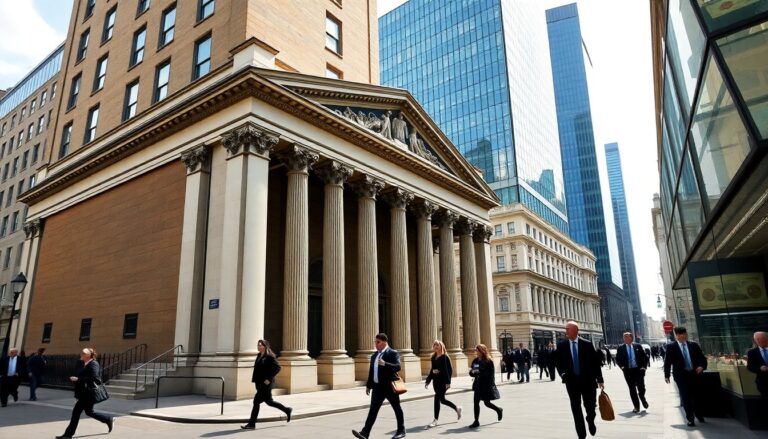
The story of the Bank of England is not merely that of a financial institution; it is a rich tapestry of history that significantly impacts our economy today. From its iconic building on Threadneedle Street to the evolution of banknotes, there is much to explore.
The Bank of England: A Historical Overview
Founded in 1694 to finance the government’s military efforts, the Bank of England has played a critical role for over three centuries. Initially a banker to the government, it has evolved into a central bank responsible for regulating monetary policy.
The architecture of the Bank itself is particularly intriguing. The Threadneedle Street building, designed by the esteemed architect Sir Herbert Baker, boasts a majestic façade and intricate interiors that symbolize power and stability.
Throughout its long history, the Bank has faced numerous challenges, including financial crises and wars.
Each of these events has shaped its policies and operations, establishing it as a pivotal player in the global economy.
Visiting the Museum: What to Expect
The Bank of England Museum is open Monday to Friday from 10 AM to 5 PM, with free admission. The museum features a wealth of exhibits that delve into the history of banknotes, the evolution of money, and the Bank’s role in today’s economy.
On the third Thursday of each month, the museum extends its hours, allowing visitors more time to absorb the information. This is ideal for family outings, as there are activities designed specifically for children.
Visitors can also enjoy behind-the-scenes stories from the staff, who often share personal experiences and insights into the museum’s collection. This interaction enhances the experience, providing a deeper understanding of the exhibits.
Engaging with History: More than Just Numbers
Understanding the history of the Bank of England is essential for grasping our financial landscape. It transcends mere numbers; it encompasses the stories, people, and decisions that have shaped our world.
The museum also offers valuable resources for educators and students. Introducing financial concepts through real-life examples can significantly enhance learning experiences.
As you plan your visit, remember that you are not merely entering a museum; you are engaging with a narrative that has influenced countless lives. What aspect of financial history piques your interest the most?
