

The recent changes to Mounjaro's dosage and pricing have sparked outrage among users. Let's dive into what this means for you.
Significant developments have emerged from Eli Lilly regarding Mounjaro, a medication that has positively impacted many individuals on their weight-loss journeys. Recently, the company announced noteworthy changes that have sparked questions and concerns among users. This article will explore how these changes may affect you or someone you know.
What’s changing with Mounjaro?
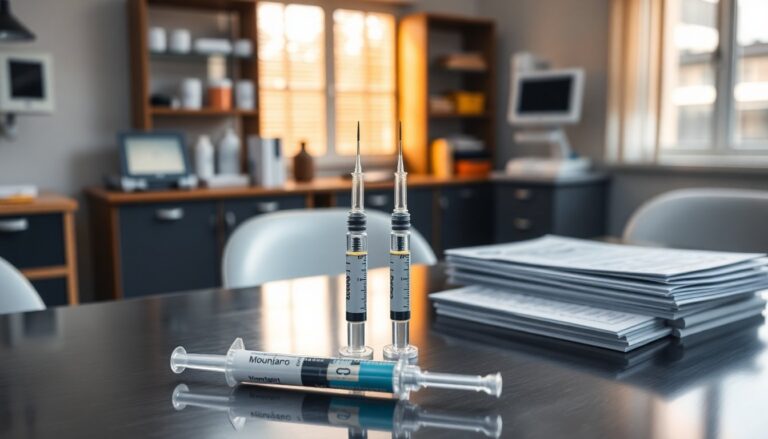
Eli Lilly has confirmed a reduction in the size of their pre-filled injection pens. These pens currently hold 3ml of medication, sufficient for four weekly doses. However, users often find some leftover medication after the last dose, which has been informally referred to as the ‘golden dose’—a potential fifth injection.
This modification means users will no longer have the option to utilize this extra dose. This decision has led to considerable discussion online, with some expressing frustration and intent to continue the ‘golden dose’ practice, despite the associated risks.
Health professionals are cautioning against this method, warning that extracting leftover medication could pose serious health risks, including infections.
This raises an important question: Is this practice worth the gamble?
The price tag just got heftier
In addition to the changes in dosage, Eli Lilly announced that the wholesale prices of Mounjaro will more than double, effective September 1st. The highest dose will increase from £122 to £330 monthly, marking a staggering 170% rise. Mid-range doses also face significant price hikes, rising from approximately £92 to £180. This has prompted many users to stockpile pens, reminiscent of panic buying during the early days of the COVID-19 pandemic.
These price increases raise concerns about access to essential medication. Users are left grappling with how to afford the necessary treatment. As the situation unfolds, the introduction of a new modified KwikPen is anticipated, though the timeline remains uncertain. Eli Lilly assures that this version will minimize leftover medication, but it raises the question of the financial burden on users.
Health warnings and safety concerns
Public health officials have voiced strong concerns regarding the extraction of the leftover ‘golden dose.’ Dr. Alison Cave, chief safety officer at MHRA, has emphasized the importance of adhering to prescribed dosages and not tampering with the pens. Utilizing leftover medication can lead to severe health complications, including infections that may escalate into life-threatening conditions.
Professor Penny Ward from King’s College has echoed these warnings, highlighting the risks of overdosing and potential serious side effects. It is a difficult reality for many that a medication meant to assist in weight management could inadvertently cause harm.
Currently, Mounjaro is prescribed only to patients with a BMI over 40 or those with related health issues. However, reports indicate that many are seeking private prescriptions, complicating access through the NHS. This has resulted in disparities in availability, often referred to as a postcode lottery. Are others feeling the pressure of these changes?
As discussions continue on social media, Mounjaro users express their frustrations and concerns. The implications of these changes extend beyond individual users, impacting the healthcare system as a whole. What are your thoughts on these recent developments? Are you considering any of the mentioned practices despite the warnings? Your insights are welcome as we navigate this conversation together.
