

Could smart glasses be the future lifeline for those living with dementia? Let's dive into this innovative technology.
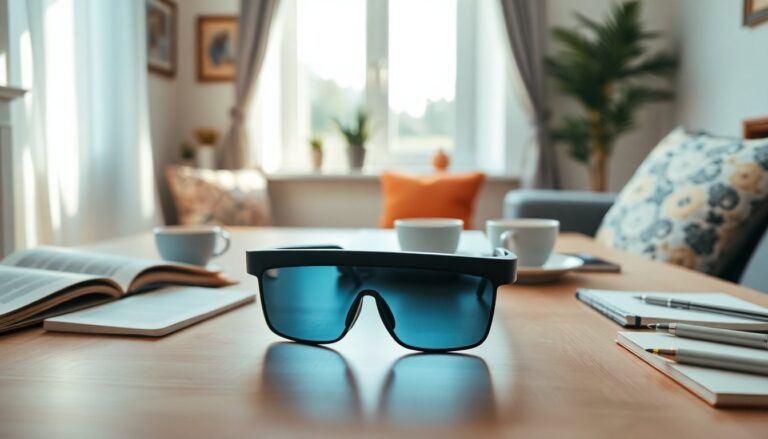
Imagine a world where everyday tasks are no longer an uphill battle for individuals living with dementia. A London-based startup, CrossTech, is working to make this vision a reality through their innovative smart glasses. These high-tech glasses are designed to assist users by identifying objects and guiding them through daily activities, potentially transforming the lives of many.
This article explores this remarkable innovation and its implications for mental health.
The Challenge of Dementia in Daily Life
Dementia can turn simple actions, such as making a cup of tea, into significant challenges. With memory gaps and confusion, patients often feel overwhelmed.
This condition is not merely a minor inconvenience; it profoundly impacts their quality of life. Currently, nearly 900,000 people in the UK are living with dementia, and projections indicate that this number may rise to 1.7 million within the next two decades.
This escalating issue requires urgent attention.
Enter the realm of smart technology. The glasses developed by CrossTech aim to bridge the gaps faced by those with dementia. When a user looks at an object, such as a kettle, its name appears in their line of sight. Additionally, the glasses are equipped with speakers that provide verbal cues, reminding users that the water is hot and guiding them through the steps of making tea.
The Technology Behind the Glasses
So, how do these glasses function? They utilize extended reality technology, which blends the physical world with computer-generated elements. This allows users to receive real-time visual and auditory information that enhances their environment. The CrossTech team is also developing a platform to support individuals with anxiety, providing real-time guidance and reassurance, which could be invaluable for those struggling to manage daily responsibilities.
Notably, these glasses feature a built-in AI assistant that helps users break down overwhelming tasks into manageable steps. This functionality could provide reminders about schedules or offer emotional support when needed, significantly boosting confidence and independence.
The Future of Mental Health Support
Looking ahead, the potential applications of these smart glasses extend beyond dementia. Approximately 8 million people in the UK live with anxiety, and mental health services are currently stretched thin. Innovations like these glasses may play a crucial role in delivering necessary support. Alarmingly, some patients face waits of over two years for mental health care, which is unacceptable.
CrossTech’s CEO, Szczepan Orlins, is optimistic about the transformative potential of this technology. He emphasizes that understanding a person’s emotional state is vital to its success. The glasses can analyze vocal tones and body language, providing a comprehensive view of the user’s mental state.
However, challenges remain before widespread adoption of these smart glasses. Clinical trials are necessary to demonstrate their effectiveness, and efforts are underway to enhance user comfort, particularly for those experiencing anxiety. Despite these hurdles, the potential benefits are significant, and the future of this technology is promising.
In conclusion, as we confront the challenges posed by dementia and mental health disorders, innovations like these glasses could offer a lifeline for many seeking to regain control over their lives. What are your thoughts? Could smart glasses become pivotal in enhancing independence for those affected? Let’s engage in a discussion below.
