

A recent study reveals that a quicker MRI scan for prostate cancer diagnosis could save lives and reduce healthcare costs.
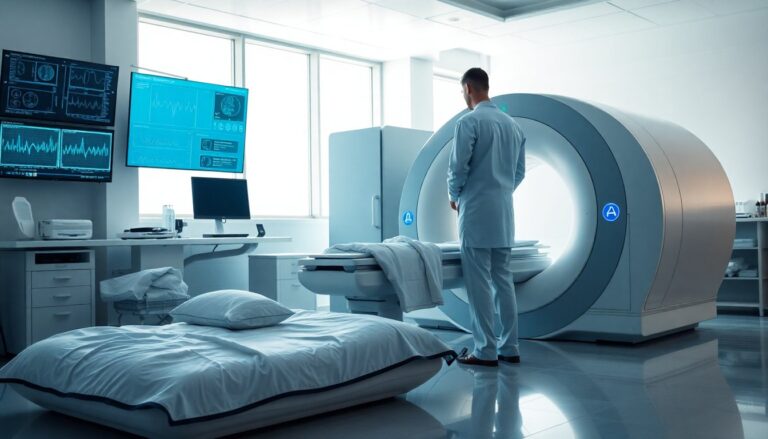
Recent advancements in men’s health have introduced a new 15-minute MRI scan for prostate cancer, a development that could significantly impact healthcare accessibility.
Overview of the New MRI Scan
Researchers in the UK have developed a streamlined MRI scan that takes only 15 to 20 minutes, effectively halving the time required for the traditional procedure.
Moreover, this new scan is 47% less expensive than its predecessor. Notably, it demonstrates the same effectiveness in diagnosing prostate cancer. A recent study revealed that this biparametric MRI can detect cancer at rates comparable to the traditional multiparametric MRI, which requires a dye injection.
This development could provide essential health checks in a fraction of the time and cost, potentially benefiting many men who have faced barriers to accessing this crucial service.
Significance of the Development
Prostate cancer is the most prevalent cancer among men, with approximately 56,000 diagnoses and 12,000 deaths annually in the UK.
Given these statistics, improving access to screenings is vital. The introduction of MRI scans over the past decade has already transformed the detection of this disease, yet challenges remain.
The study involved 555 patients aged 59 to 70, revealing that 29% had significant prostate cancer detected by the faster scan, matching the results of the longer procedure. This finding highlights the potential for improved health outcomes for many men.
National Screening Program Considerations
The UK government is contemplating the implementation of a national prostate cancer screening program, particularly aimed at high-risk men. With health secretary Wes Streeting advocating for this initiative, momentum is building.
While the NHS currently offers screening programs for breast, bowel, and cervical cancers, a prostate cancer program has yet to be established. The new findings could serve as critical evidence to support the introduction of this program. There is a growing conversation regarding whether every man should have access to regular prostate cancer screenings.
Looking Ahead
The outcomes of this study could lead to more efficient and timely diagnoses of prostate cancer. It is essential for these scans to maintain diagnostic integrity and for qualified professionals to interpret the results accurately.
With the upcoming Transform trial scheduled to commence later this year, there is potential for significant changes in prostate cancer screening practices. This could pave the way for a national program that has the capacity to save lives.
What are your thoughts on the possibility of faster and more affordable prostate cancer screenings? Your insights are welcome in the comments.
