

August sees a moderate uptick in Northern Ireland's residential property demand, despite a decline from previous months.
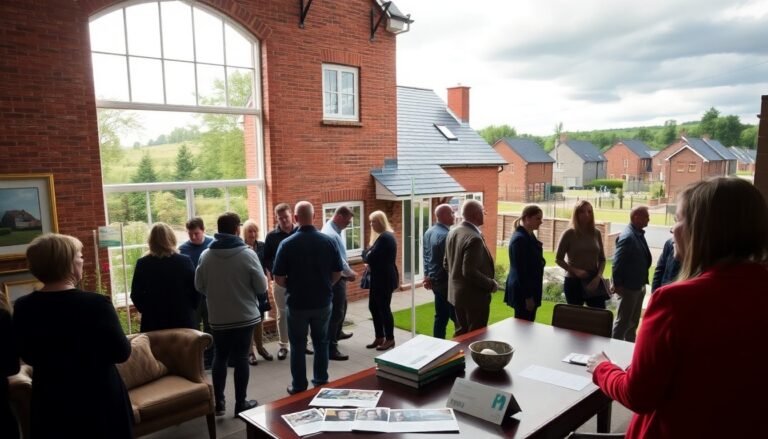
Demand for residential property in Northern Ireland has shown signs of growth in August, although at a more measured pace compared to the previous month. According to the latest survey from the Royal Institution of Chartered Surveyors (RICS), a net balance of 21% of surveyors reported an increase in new buyer inquiries.
This figure represents a decrease from the 39% recorded in July, indicating a slowdown in momentum.
Current Trends in Buyer Interest
While demand remains positive, the rate of increase has notably moderated. The data reveals that new instructions to sell also rose in August, but at a slower rate than in July.
Furthermore, a net balance of 7% of surveyors reported a rise in sales this month, continuing a trend of positive sales activity for the second consecutive month.
In a noteworthy observation, 93% of local respondents indicated that house prices have risen over the past three months.
Samuel Dickey, spokesperson for RICS in Northern Ireland, commented, “Although through August the rise in demand for residential property was more modest, it’s encouraging to see that sales have continued to rise.” This reflects a complex landscape where demand persists, but the surge is less aggressive than before.
Supply and Housing Needs
Despite the positive signs in sales, existing supply levels remain inadequate to meet the growing private and public housing needs. Dickey pointed out that while supply is increasing, it is still far from what is necessary. The latest statistics from the Land and Property Services reveal that earlier this year, construction began on 2,248 homes—the highest number since 2018. Although this is promising news, it underscores the ongoing challenges within the housing market.
Tarrant Parsons, head of market research and analysis at RICS, noted the impact of broader economic concerns on the housing market. He stated, “With buyer demand easing and agreed sales in decline, the housing market is clearly feeling the effects of ongoing uncertainty.” This uncertainty arises from various factors, including the economic and fiscal outlook, as well as speculation regarding future interest rates amid persistent inflation.
Looking Ahead
As we move forward, the housing market in Northern Ireland faces several challenges. The increase in new housing construction is a step in the right direction, but the overall demand and supply balance remains critical. Insights from industry experts suggest that while the immediate outlook shows signs of stabilization, the underlying uncertainties will continue to shape buyer sentiment.
In summary, Northern Ireland’s residential property market is experiencing a shift. Demand has softened, yet sales are rising, indicating a complex dynamic at play. Stakeholders in the property market must navigate these changes carefully, keeping an eye on economic indicators that influence buyer behavior and market trends.
