

Keir Starmer's recent meeting with Israeli President Herzog has set off waves of debate over Israel's actions in Gaza, highlighting the urgent need for humanitarian aid.
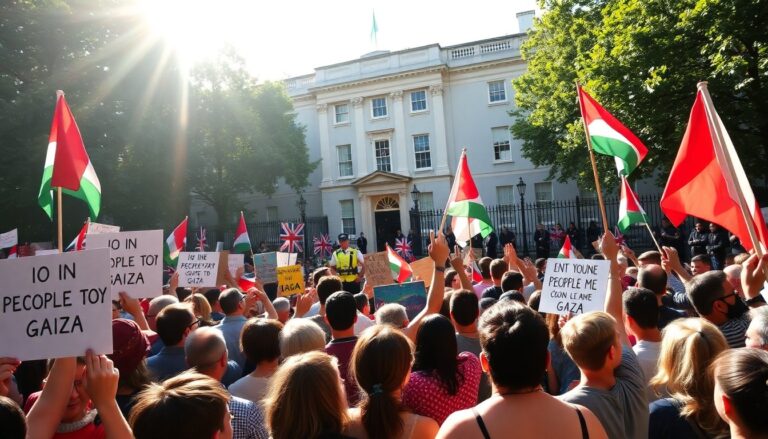
British Prime Minister Keir Starmer recently engaged in a significant discussion with Israeli President Isaac Herzog during their meeting in London. This exchange is not merely political rhetoric; it reflects the ongoing humanitarian crisis in Gaza. With protests occurring outside Downing Street, public sentiment regarding this issue is palpable.
This article examines the implications for UK-Israel relations.
Starmer’s Critique of Israel
Starmer was forthright in addressing the severe situation in Gaza. He characterized the ongoing crisis as a “man-made famine” and urged Israel to facilitate humanitarian aid to the region.
The spokesperson for Downing Street supported his remarks, emphasizing the necessity for Israel to cease offensive operations to avert further deterioration of the situation.
At a time when aid organizations are warning about catastrophic hunger impacting hundreds of thousands of Palestinians, Starmer’s comments resonate with advocates for change.
However, the effectiveness of mere words remains a point of contention. Should leaders be doing more than expressing their views on such critical issues?
Protests and Public Sentiment
The meeting’s backdrop was marked by significant protests, with thousands gathering outside Downing Street to voice their discontent over Herzog’s visit. The Palestine Solidarity Campaign noted that this demonstration is part of a broader movement against the UK’s perceived complicity in Israel’s actions. Protesters were particularly vocal, using pots and pans to express their dissent.
One protester remarked, “There’s a genocide happening, and the president of that country is in our country and being welcomed here, when nobody is happy about it.” This sentiment reflects a widespread belief that the UK should not provide a platform for leaders from countries involved in such controversies. Does this form of protest have the potential to effect change, or is it merely a demonstration of frustration?
The Diplomatic Tightrope
Starmer’s meeting with Herzog was not solely focused on criticism; it involved a delicate balance of diplomacy. He deemed the recent airstrike on Doha “unacceptable,” highlighting the importance of respecting the sovereignty of an ally. This situation presents a challenge: while advocating for humanitarian relief, he also affirms a longstanding alliance with Israel.
Herzog acknowledged the constructive discussions they had, stating that allies can engage in disputes while maintaining their relationship. However, the sustainability of this alliance is questionable, especially as public opinion shifts and the humanitarian situation in Gaza remains critical. Starmer defended his decision to meet with Herzog, arguing that diplomacy is essential, even amid challenging realities. Is engaging with controversial leaders prudent, or should the UK adopt a firmer stance?
Looking Ahead
As the repercussions of this meeting continue to unfold, it is evident that the conversation surrounding UK-Israel relations is ongoing. Both leaders have recognized the need for dialogue, raising hopes for potential changes. However, the question remains: will this dialogue yield tangible improvements for those suffering in Gaza? Time will reveal the outcomes. In the interim, what is your assessment of Starmer’s stance? Is he taking adequate measures, or is this merely a display of political posturing?
