

Is Britain on the brink of a food safety disaster? Let’s explore the shocking reality of illegal meat imports.
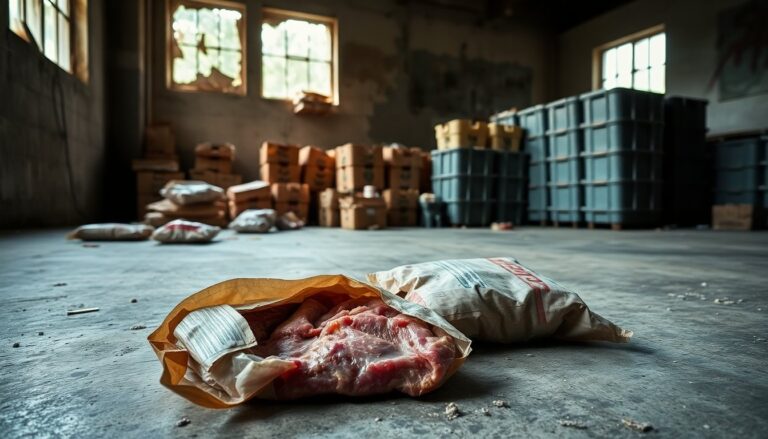
The issue of illegal meat imports in the UK has resurfaced, prompting serious concerns among food safety advocates. A recent government report has highlighted alarming practices that echo the infamous horsemeat scandal of 2013. This time, the stakes may be even higher.
Current Situation of Illegal Meat Imports
Last year, authorities reported that approximately 235,000 kilograms of potentially hazardous animal products were illegally imported into the UK. These products have often bypassed necessary inspections and may not have been stored under sanitary conditions.
This raises significant concerns regarding food safety.
One account from a port worker described a disturbing incident in which an entire pig was discovered crammed into luggage, its legs removed to fit. Such examples underscore the extreme lengths to which individuals will go to smuggle meat into the country.
With the resurgence of diseases like foot-and-mouth disease, the potential risks associated with these illegal imports are increasing.
Health Risks Associated with Illegal Imports
The meat entering the UK is frequently transported without refrigeration, leading to contamination risks from bacteria, viruses, and parasites. Beyond unpleasant dining experiences, the consequences can include severe food poisoning and potential outbreaks of animal diseases that could have catastrophic economic repercussions.
For instance, a recent outbreak of foot-and-mouth disease in Germany, linked to illegally imported meat, resulted in damages estimated at one billion euros. This serves as a cautionary tale for the UK, highlighting the urgent need for improved monitoring and enforcement.
The UK Health Security Agency has noted a rise in foodborne illnesses, including listeriosis and salmonella. These statistics reflect genuine threats to public health, particularly for vulnerable groups such as the elderly and individuals with weakened immune systems.
Government Response and Action Plans
In response to these findings, a parliamentary committee is urging the government to take decisive action. They propose the establishment of a national taskforce aimed at addressing the illegal meat importation crisis and enhancing food crime intelligence networks. Effective measures are essential to deter these illicit activities and empower local authorities with necessary resources.
However, despite government assurances of increased efforts, reports indicate that the reality remains troubling. Limited inspections and insufficient facilities are compromising food safety. During a visit to the Port of Dover, committee members observed the lack of resources and chaotic conditions firsthand, raising questions about the effectiveness of current measures.
As consumers, it is important to remain vigilant about food sourcing. Understanding where our food comes from and advocating for transparency can contribute to improved safety standards. The ongoing cost of living crisis also presents challenges for food safety that warrant discussion.
In conclusion, addressing the challenges posed by illegal meat imports requires a collective effort to demand better food safety regulations. Engaging in community discussions about ensuring safe food practices is vital. What are your thoughts on this issue? How can we work together to keep our food safe?
