

The conviction of Jair Bolsonaro raises questions about Brazil's political future and U.S. relations.
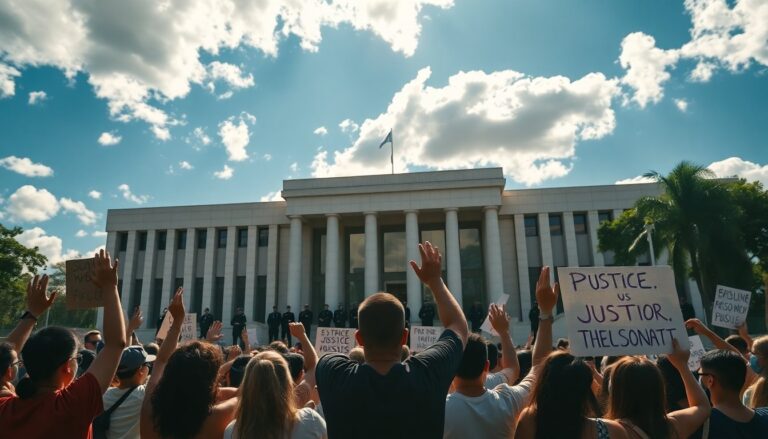
UPDATE AT [insert date]: A panel of justices from the Brazilian Supreme Court has sentenced former President Jair Bolsonaro to 27 years and three months in prison. This ruling follows Bolsonaro’s conviction for orchestrating a coup attempt to retain power after his electoral defeat in 2022.
The decision is historic, marking Bolsonaro as the first former president of Brazil convicted of such crimes.
Details of the Conviction
On [insert date], four out of five justices on the panel found Bolsonaro guilty on five counts related to his post-election actions.
He currently remains under house arrest in Brasilia and continues to deny all allegations of wrongdoing. Legal experts suggest that Bolsonaro’s defense team plans to appeal the ruling, adding complexity to Brazil’s already polarized political landscape.
This ruling is expected to deepen the existing political divisions within Brazil.
Following the announcement, U.S. officials expressed their discontent. President Donald Trump labeled the conviction a “witch hunt,” stating, “I have always found Bolsonaro to be outstanding.” Previously, the U.S. government imposed a 50% tariff on imported Brazilian goods in response to the ongoing legal challenges faced by Bolsonaro.
Reactions and Implications
The implications of this conviction extend beyond Brazil. Observers anticipate that the U.S. may impose further sanctions against Brazil, complicating diplomatic relations between the two nations. Justice Alexandre de Moraes, who presided over the case, asserted that Bolsonaro is the leader of a coup plot, emphasizing the seriousness of the situation.
Justice Carmen Lucia, in her statement, highlighted the overwhelming evidence against Bolsonaro, asserting, “He is the instigator, the leader of an organization that orchestrated every possible move to maintain or seize power.” The political landscape in Brazil remains deeply divided, with some citizens rallying in support of Bolsonaro, claiming he is a victim of political persecution.
The Path Forward
As the legal process continues, Bolsonaro’s lawyers have five days to file motions for clarification once the court publishes its ruling. Legal analysts note that while appeals are unlikely to reverse the decision, Bolsonaro’s defense will pursue every available avenue. Rafael Mafei, a legal expert from the University of Sao Paulo, stated, “It’s unlikely, but not impossible, that appeals to the full Supreme Court would change the outcome.”
The trial has become a focal point for political discourse in Brazil, with significant implications for its democracy. Thomas Traumann, a former government minister, described the day of the ruling as “the most important day for Brazil’s democracy since the 1988 constitution was approved.”
In summary, the conviction of Jair Bolsonaro represents a watershed moment in Brazilian politics, with potential ripple effects on international relations and domestic stability. As the situation evolves, the world is closely watching how the Brazilian government and its citizens respond.
