

A closer look at the tragic incident involving Charlie Kirk and what it signals for political events in the U.S.
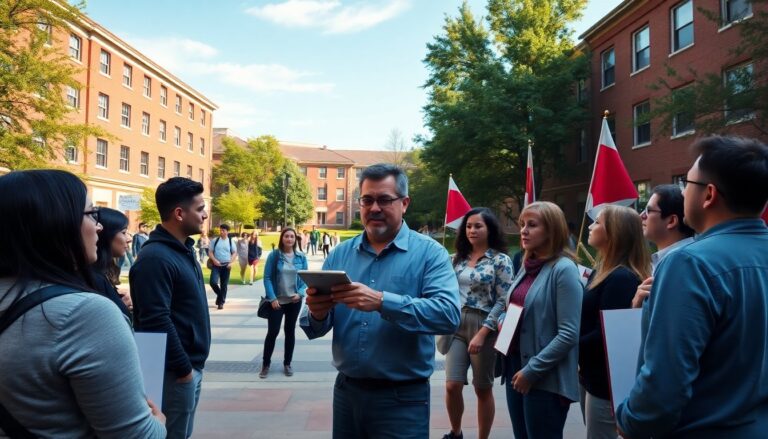
The recent killing of right-wing commentator Charlie Kirk has ignited serious discussions regarding the increasing divide in American politics and the unsettling rise of political violence. This tragic event serves as a critical wake-up call, prompting questions about how we engage with politics today.
What happened?
This week, former President Donald Trump announced that the suspect involved in the shooting of Charlie Kirk had been apprehended. Kirk was addressing a crowd at Utah Valley University when the attack occurred during a debate titled “Prove Me Wrong.” Trump stated that a minister, associated with law enforcement, played a pivotal role in turning in the suspect.
This incident has raised significant concerns regarding safety at political events.
Following the shooting, the FBI released images of the suspect, which has led to widespread discussions about personal safety in political contexts. Trump has expressed his hopes for the death penalty for the suspect, highlighting the growing unease surrounding public political discourse.
The implications for political events
What does this mean for political events moving forward? Trump emphasized the need to continue despite potential risks. However, the question remains: how can we overlook the dangers? This situation has created uncertainty about safely expressing political opinions. The palpable tension raises concerns about attending events where political views are shared.
Should we be worried about our safety when engaging in political discussions? It appears that anyone associated with the political process may become a target. This is not merely a response to one tragic incident; it reflects a broader trend that demands our attention. Are we entering a new era of political engagement where personal safety is paramount?
A community at a crossroads
Reflecting on Charlie Kirk’s legacy, known for energizing Republican support and rallying young voters, it is crucial to recognize the role political figures play in shaping public discourse. Kirk was more than a commentator; he connected with younger audiences. His tragic death leaves a significant void, forcing the community to reassess how to move forward. Can we honor his memory while ensuring safety and openness in our political discussions?
This incident serves as a stark reminder of how quickly tensions can escalate in a charged political environment. We must address how to create spaces where individuals feel safe to share their views without fear of violence or retaliation. It is not solely about politics; it pertains to our collective safety and the future of political conversations.
In conclusion, the community must continue to engage in discussions about the future of political events in light of recent events. How can we balance passionate debate with personal safety? The conversation is essential, and diverse perspectives are welcomed.
