

What does the assassination of Charlie Kirk mean for the future of American politics? Let's dive into this critical conversation.
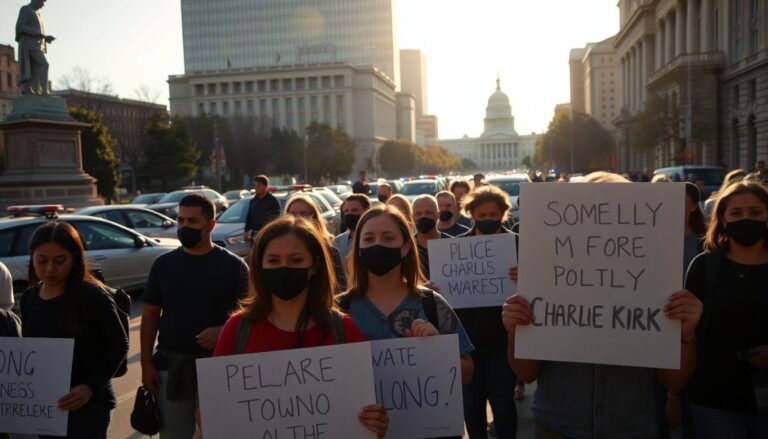
The recent assassination of Charlie Kirk has raised significant concerns regarding the future of American politics. This incident extends beyond a single tragic event; it may signal a potential shift in political dynamics that could reshape the landscape as we know it.
A gripping podcast series delves into the facts, emotional narratives, and broader implications of this shocking incident.
Breaking Down the Timeline of Events
The tragic day began with Kirk’s assassination. What led to this moment? The podcast series meticulously outlines the timeline of events, featuring insights from political insiders and firsthand accounts that provide a vivid picture of the day.
This is giving me serious chills as we piece together the moments leading up to the tragedy. What were the warning signs? How did the investigation unfold? These questions are crucial for understanding the context behind such a violent act.
Listeners hear from experts who analyze the situation beyond surface-level details. They explore the motivations behind the act and the societal factors that may have contributed to it. This serves as a reminder of how interconnected our political environment is with everyday life. Who else thinks that understanding the background is just as important as knowing the facts?
The Broader Implications for American Politics
Now, let’s address the critical question: what does this mean for the future of American politics? The podcast examines the ramifications of Kirk’s assassination, prompting listeners to think critically about the state of political discourse in the country. Are we moving toward a more polarized environment, or is there a possibility for healing? Unpopular opinion: events like this could either deepen divides or spark necessary conversations. What are your thoughts?
The series does not shy away from larger questions. It assesses how this incident might influence upcoming elections, the way politicians communicate, and how citizens engage with one another on political issues. The discussion is rich and layered, encouraging reflection on our roles in this evolving narrative.
Community Reactions and Conversations
As the podcast unfolds, it becomes evident that community reactions have been intense. Social media platforms are abuzz with opinions, theories, and emotions. Some call for justice, while others demand accountability from leaders. Plot twist: this tragedy is prompting many to reconsider their views and engage in dialogues they previously avoided. Isn’t it fascinating how a single event can catalyze such a wave of discussion?
Importantly, we must not only consume information but also participate in meaningful conversations. Let’s share our thoughts and feelings, connect with others who are equally passionate about these issues, and ensure that Kirk’s legacy inspires change rather than despair. How are you feeling about the current political climate in light of this event?
