

Discover vital information about head lice, treatment options, and school attendance policies.
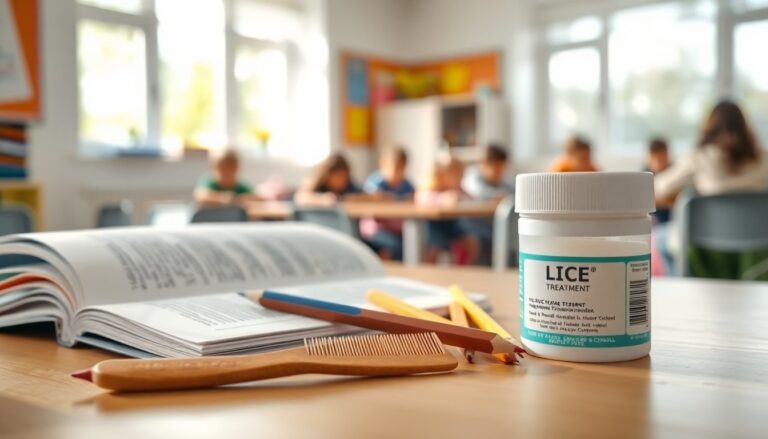
Head lice infestations are a prevalent issue for parents, particularly when children frequently come into close contact with one another at school. Understanding how to manage these situations is essential for maintaining a healthy environment for all students. This article outlines the key facts about head lice, including treatment options and school policies that may influence your child’s attendance.
What are head lice and how do they spread?
Head lice are tiny, blood-sucking parasites that predominantly affect children. Contrary to common misconceptions, they do not indicate poor hygiene; rather, they thrive through direct head-to-head contact. Such contact is common in classroom settings, where children often play and interact closely.
The presence of head lice can lead to itching and discomfort, prompting many parents to be concerned about the implications of an infestation.
It is vital to remember that the only definitive way to confirm an infestation is through a visual inspection of the hair for live lice.
If you suspect your child has head lice, it is necessary to conduct a thorough examination. The National Health Service (NHS) reassures parents that there is no legal obligation to keep children home from school due to head lice. Their guidelines state: “There’s no need to keep your child off school if they have head lice. You can treat head lice and nits without seeing a GP.”
School policies and parental responsibilities
Most educational institutions have clear policies regarding absences. Children are typically allowed to stay home only if they have highly infectious illnesses, such as the flu or chickenpox, or if they are too ill to attend classes. Consequently, it is not uncommon for schools to advise parents to inform them if a case of head lice is detected. This allows schools to notify other parents and encourages them to check their children for lice.
Once a case is confirmed, maintaining communication with the school is crucial. This proactive approach helps prevent further spread and ensures that other students can be checked promptly. The NHS emphasizes that while preventing head lice entirely is not feasible, regular wet combing can help manage outbreaks effectively. By using a detection comb to check for lice, parents can catch infestations early and minimize transmission.
Steps for treating head lice at home
Once an infestation is detected, it is essential to take immediate action to eliminate the lice. One of the most effective methods is wet combing, which involves using a fine-toothed detection comb specifically designed for this purpose. This process can take approximately 10 minutes for short hair and up to 30 minutes for longer or thicker hair.
Parents should not cease treatment after a single application; repeated wet combing is necessary to eliminate any newly hatched lice. The recommended schedule includes combing on days 1, 5, 9, and 13, followed by a final check on day 17 to ensure that all lice have been eradicated.
If wet combing proves ineffective or impractical, medicated lotions or sprays can be considered. These treatments are available at pharmacies and supermarkets and are effective against head lice in various hair types. Always adhere to the manufacturer’s instructions for optimal results.
In conclusion, while head lice can be a challenging issue for parents, understanding the facts and following appropriate treatment protocols can effectively manage and eliminate infestations.
