Can we maintain empathy for those we disagree with? A look into recent political events that challenge our perceptions.
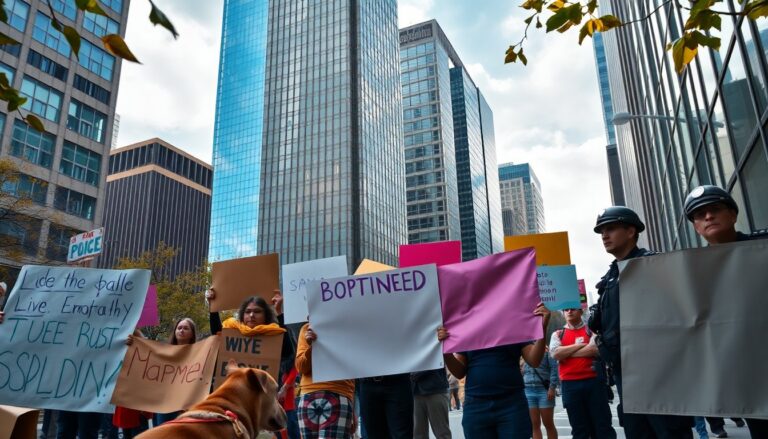
Empathy plays a crucial role in today’s political landscape, particularly when violence becomes a factor. How do we navigate our feelings about differing views while wishing for the well-being of all involved? This is a complex issue that merits discussion.
Understanding the Incident
Recently, conservative activist Charlie Kirk was shot. The suspect, Tyler Robinson, a 22-year-old, was apprehended following an extensive manhunt. Reports indicate Robinson harbored significant animosity toward Kirk. This incident illustrates a troubling cycle where rhetoric escalates into irrevocable actions.
History has shown us that political rhetoric can lead to violence. What strategies can society employ to alter this narrative?
Dismissing opposing views can be tempting, yet we must acknowledge that violence is never a viable solution. How can we improve our methods of expressing political frustrations?
Empathy vs. Disagreement
While I have often found Kirk’s rhetoric objectionable, my initial reaction to the news of the shooting was not anger but a hope for his recovery. This raises a broader question: can adverse experiences lead to personal growth and a change in perspective? Past instances, such as former President Donald Trump‘s close call with violence, suggest this is not always the case, as he reverted to divisive language following his experience.
This situation prompts us to consider the responsibilities of our leaders. Are they fostering a climate of peace, or are they exacerbating negativity? The challenge of maintaining empathy amid disagreement is significant.
Breaking Down Selective Empathy
The concept of selective empathy has gained attention recently, referring to the tendency to express compassion only for those with whom we agree. This approach is concerning. When Kirk was shot, many called for empathy; however, similar incidents involving political opponents often receive indifference or even celebration. This inconsistency undermines the very essence of empathy.
As a society, we must strive for a universal application of empathy. Regardless of differing opinions, every individual is deserving of compassion. Reflect on times when you had to set aside personal biases to demonstrate empathy. How can we foster a culture that prioritizes empathy over division? It is a challenge that requires collective effort.
In conclusion, to genuinely combat the divisiveness we critique, we must maintain our empathy, even toward those whose views we struggle to comprehend. Failing to do so risks contributing to the very issues we aim to address. Together, we can strive for a more compassionate society.