

Nepal has taken a pivotal step in history by appointing its first female prime minister amidst widespread protests and political upheaval.
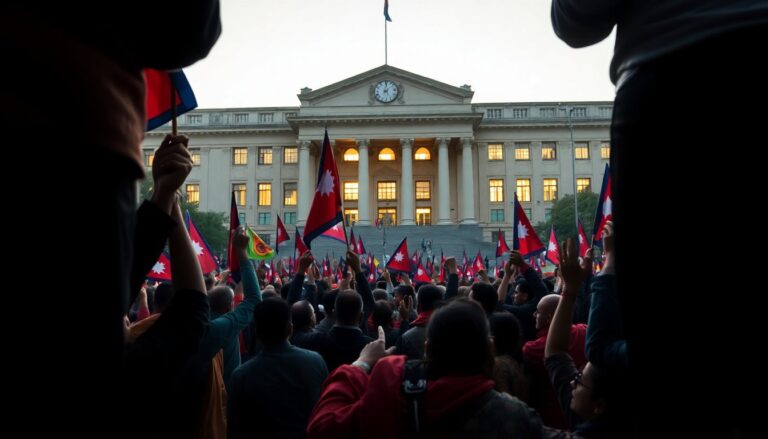
Nepal has made significant headlines by appointing its first female prime minister, Sushila Karki. This historic decision follows intense protests that have swept the nation. The move not only signifies a political shift but also reflects the demands of a generation seeking change.
The Rise of Sushila Karki
After weeks of turmoil, Sushila Karki, a former chief justice known for her anti-corruption stance, has assumed the leadership role. Her appointment comes after a wave of protests led by younger generations, particularly Gen Z, who expressed dissatisfaction with the existing political climate.
President Ramchandra Paudel announced her appointment shortly after dissolving parliament and setting elections for March 5. This decision has elicited a mix of relief and anticipation regarding potential changes in Nepal’s political landscape.
A Nation in Turmoil
The recent protests were ignited by a government ban on social media, leading to widespread unrest.
Demonstrators demanded accountability from leaders and an end to corruption. The protests escalated significantly, culminating in violent clashes that resulted in the burning of parliament buildings and the resignation of Prime Minister KP Sharma Oli. The demonstrations were not just a reaction to the social media ban; they articulated a broader frustration with a political system perceived as corrupt.
According to police reports, the protests have resulted in at least 51 fatalities, involving both demonstrators and security personnel. The anger on the streets is deeply rooted in economic discontent. Many young Nepalese find themselves trapped in a cycle of poverty while political elites maintain a lavish lifestyle. This situation has pushed many to seek employment opportunities abroad, particularly in the Middle East and South Korea.
International Reactions and Future Implications
As Sushila Karki takes office, the international community is observing her actions closely. Indian Prime Minister Narendra Modi has publicly congratulated her on social media, signaling support from India. Meanwhile, China has refrained from commenting but previously called for peace during the protests, emphasizing the need to protect citizens. The geopolitical implications of Karki’s leadership may be significant, depending on her approach to governance.
This new chapter for Nepal transcends the significance of a female prime minister; it represents a nation at a critical juncture. Can Karki unite the country and restore faith in a government that has disappointed many? The future of democracy in Nepal may hinge on her ability to navigate these challenges.
