

As winter looms, thousands in Afghanistan face a grim reality after a devastating earthquake. Here's a look at their stories of survival and the ongoing challenges.
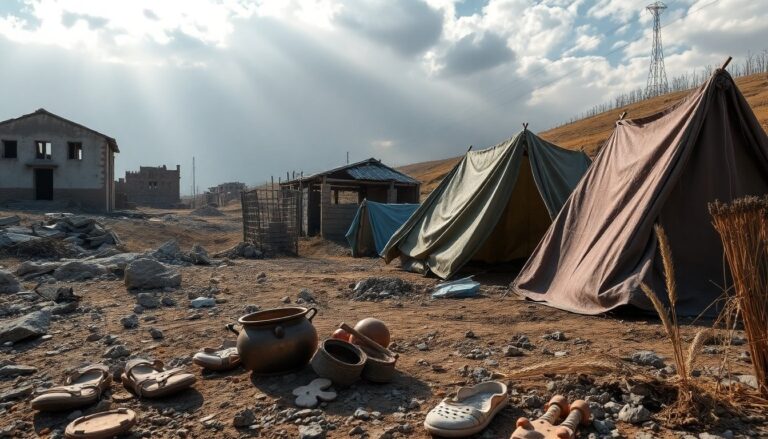
Imagine waking up one day to find your life turned upside down in an instant. This is the reality for many families in Afghanistan following a devastating earthquake that struck on August 31. With winter approaching, the urgency to provide shelter and support is higher than ever.
Lives Forever Changed
Take Stoori, for example. He is a 40-year-old farmer from Kunar province who narrowly escaped with his children after losing his wife in the quake. His village has become a graveyard, a haunting reminder of the lives lost—12 people in his community alone.
“My village has become a graveyard,” he reflects on the tragedy. With approximately 2,200 lives claimed and over 5,000 homes reduced to rubble, the scale of this disaster is unfathomable.
In the aftermath, Stoori and his children have sought refuge in a makeshift camp, one of many established for the displaced.
“We have nothing left except our trust in God,” he confides, a sentiment echoed by countless others. The camp is lined with tents provided by international NGOs, housing nearly 5,000 people, each with their own heart-wrenching story.
This situation is not merely about loss; it is about survival. The camp is fortunate to have access to water and sanitation facilities, as well as two small clinics for the injured. However, as winter approaches, the need for adequate shelter becomes increasingly critical. The mountainous terrain complicates rescue efforts, making it a race against time to deliver aid.
The Struggle for Aid
As the Taliban grapples with managing the disaster response, Kunar’s provincial director for the Ministry of Information and Culture, Najibullah Haqqani, outlines a three-step emergency plan. This plan aims to evacuate at-risk individuals, provide immediate shelter and medical care, and eventually rebuild homes. However, each day presents new challenges. “We’ve received support from government and international NGOs, but the scale is overwhelming,” he admits.
With new arrivals trickling into the camps daily, the urgency for aid is palpable. Nurghal, a 52-year-old farmer, shared that 52 members of his extended family lost their lives. The devastation he witnessed is something he describes as “unimaginable.” This sentiment is shared by many as they navigate their new reality, with homes and livestock buried under the debris.
Women face unique challenges in this crisis. Due to Taliban laws, they often cannot travel without male guardians, complicating their access to medical care. The World Health Organization has appealed for the lifting of these restrictions, emphasizing the necessity of female aid workers to assist women in need. “A very big issue now is the increasing lack of female staff in these places,” warns Dr. Mukta Sharma from the WHO.
Hope Amidst Despair
Despite the dire circumstances, there are glimmers of hope. At a field hospital established within the camp, medical staff are working tirelessly to care for the injured. Dr. Shahid, who oversees the facility, assures that all patients, regardless of gender, receive the care they need. “In any emergency, the priority is saving lives,” he states firmly.
As individuals like Azim, who is recovering from serious injuries, express fears about returning home, the community’s resilience shines through. “The earthquake was like a curse from the sky,” Azim laments, yet he clings to the hope that the government will provide land for rebuilding. “My only request is to give us land somewhere else.”
Back in the evacuation camp, Stoori holds onto a fragile hope for the future. “If God blesses us, maybe we can go back to our village before winter comes,” he reflects, reminding us all of the human spirit’s strength in the face of adversity.
Take Stoori, for example. He is a 40-year-old farmer from Kunar province who narrowly escaped with his children after losing his wife in the quake. His village has become a graveyard, a haunting reminder of the lives lost—12 people in his community alone. “My village has become a graveyard,” he reflects on the tragedy. With approximately 2,200 lives claimed and over 5,000 homes reduced to rubble, the scale of this disaster is unfathomable.0
