

What led to the sudden downturn in India-US relations? Let's explore the nuances behind this shift.
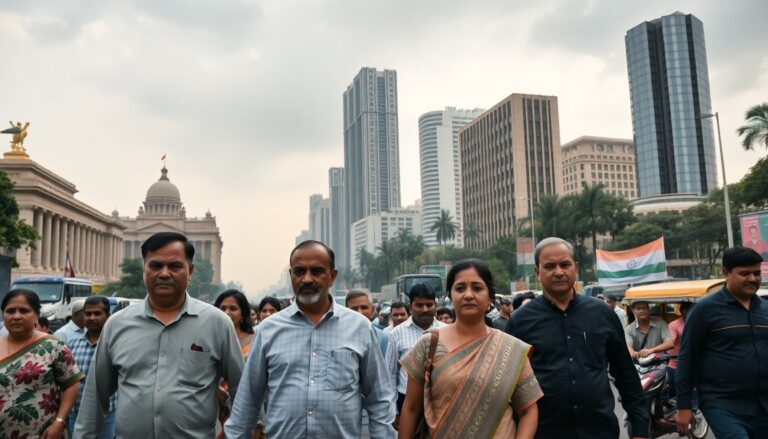
International relations can shift rapidly. One moment, countries may appear close, and the next, tensions arise. This phenomenon is particularly evident in the recent decline of India-US relations. What factors have contributed to this significant change? Let us explore the elements behind this noteworthy pivot.
Historical Context of India-US Relations
To comprehend the current situation, it is essential to review the historical context. India and the US share a long and complex history. After the Cold War, both nations began to regard each other as strategic partners.
Economic ties strengthened, and there was a mutual vision on various global challenges. However, is this bond as robust as it once was?
In recent years, India has sought to assert its independence on the global stage. This shift suggests that the previous closeness may not be as solid as perceived.
The rise of nationalism in India and evolving political landscapes in the US have introduced new tensions. The current political rhetoric has notably changed; have observers taken note of this shift?
The approach to foreign policy under the Trump administration also influenced these dynamics. While some praised the firm stance on China, others expressed concerns that it could jeopardize relations with key allies, including India. Observers might liken this situation to a complex political chess game.
Key Factors Behind the Decline
Several factors contribute to the recent decline in relations. One significant issue is the differing approaches to regional challenges. The US has faced criticism for its handling of situations in Afghanistan and the Middle East, while India aims to assert its influence in South Asia. This divergence creates a potential source of tension.
Additionally, trade disputes have emerged, with both countries imposing tariffs on one another. These economic disagreements not only create political friction but also impact businesses and consumers directly. The strain in the economic relationship raises concerns for diplomatic ties.
Furthermore, the recent emphasis on human rights issues has added complexity to the relationship. The US has expressed concerns regarding India’s policies, which many view as a challenge to democratic values. It is worth considering whether nations are quick to criticize each other while overlooking their internal issues.
Looking Ahead: What’s Next?
What does the future hold for India-US relations? Currently, the outlook appears uncertain. Both nations must navigate their respective interests with care. Diplomatic dialogue remains crucial, and public opinion in both countries may significantly influence these discussions. Can a more amicable relationship be restored?
Understanding these dynamics is essential for policymakers and those interested in global affairs. This situation serves as a reminder that international relations are inherently fluid and often unpredictable. What are your thoughts? Can we anticipate a shift towards a more cooperative relationship, or is this the new normal? Let’s engage in this discussion.
