

Travelers must understand the UK’s strict food import rules to avoid severe penalties.
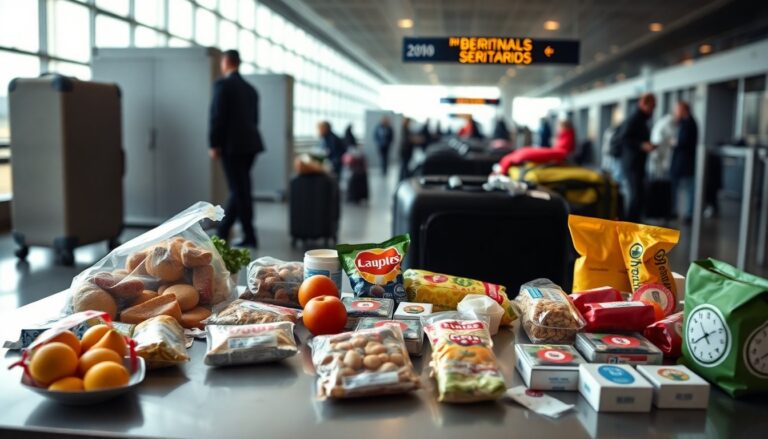
Travelers arriving in England, Scotland, or Wales from abroad must adhere to strict regulations regarding food and animal products. Violations can result in substantial fines, as outlined by the UK Government. While some items are permitted, many others, particularly processed foods and animal products, face stringent restrictions.
What You Can and Cannot Bring
According to guidance from the GOV.UK website, certain food items are allowed while others are strictly prohibited. For instance, simple bread is generally acceptable, but bread with fillings may be banned. Additionally, specific items may require permits for entry.
It is essential for travelers to understand these regulations to avoid complications.
Travelers can import certain food items from any country without restrictions. However, regulations are more complex for meat, dairy, fish, and animal products, which vary significantly based on the country of origin.
The UK Government has clarified that severe restrictions apply to these categories, as well as to fruits, vegetables, nuts, and seeds.
There are additional regulations for products protected under the Convention on International Trade in Endangered Species of Wild Fauna and Flora (CITES). Travelers may need to apply for a CITES permit to bring such items into the UK.
Temporary Restrictions Due to Animal Diseases
Travelers should note that they cannot bring meat or dairy products from any EU country for personal use. This temporary restriction is a preventive measure against the spread of foot-and-mouth disease, which has recently affected parts of Europe. For those traveling from the EU, Switzerland, Norway, Iceland, Liechtenstein, the Faroe Islands, and Greenland, specific food items can be brought in for personal use, but caution is advised.
The UK Government warns that travelers cannot bring food from other countries if arriving on a connecting flight. Any leftover animal products must be disposed of properly to prevent wildlife from consuming them.
Regulations for Infants and Special Dietary Needs
Despite the stringent regulations, travelers are permitted to bring up to 2kg of powdered infant milk, infant food, or specialized medical food per person. These items must be in their original, branded packaging, unopened unless currently in use, and should not require refrigeration prior to consumption. This exception reflects the UK Government’s recognition of the needs of families and individuals with specific dietary requirements.
Consequences of Non-Compliance
Travelers who fail to declare prohibited food items to Border Force officers at customs will have their items confiscated and destroyed. Failing to declare such items could lead to fines of up to £5,000 in England, or potential prosecution.
Border Force officers have the authority to seize products they suspect are non-compliant with regulations. If travelers are uncertain about any items, it is advisable to consult a Border Force officer by using the customs ‘red channel’ or a red point phone for guidance.
If a traveler believes their items were wrongly confiscated or destroyed, they have the right to appeal. A successful appeal may entitle them to compensation.
Conclusion
According to guidance from the GOV.UK website, certain food items are allowed while others are strictly prohibited. For instance, simple bread is generally acceptable, but bread with fillings may be banned. Additionally, specific items may require permits for entry. It is essential for travelers to understand these regulations to avoid complications.0
