

As the conflict escalates, Trump's firm stance on the hostage situation raises questions about the future of negotiations.
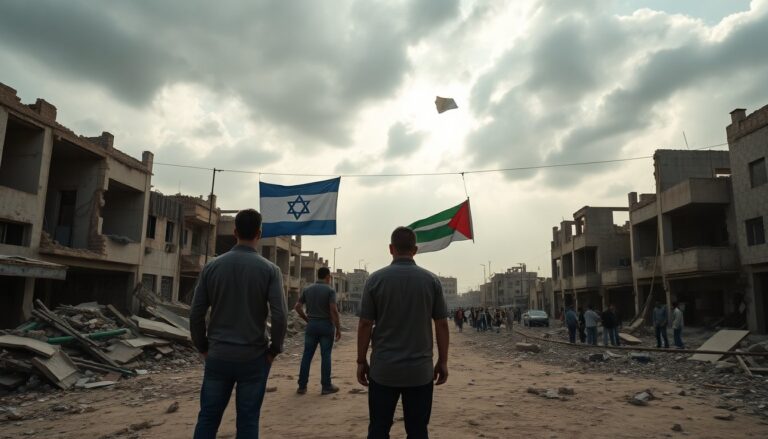
The ongoing conflict in Gaza has garnered significant attention, particularly following a warning issued by former President Donald Trump regarding Hamas and Israeli captives. This complex situation continues to evolve, prompting a closer examination of the implications involved.
Trump’s Strong Warning
In a recent social media statement, Trump expressed serious concerns after reports indicated that Hamas might be relocating Israeli captives above ground. This could potentially place them in harm’s way during Israeli military operations. Trump cautioned, “I hope the Leaders of Hamas know what they’re getting into if they do such a thing.”
He characterized the situation as a “human atrocity,” urging the immediate release of all hostages.
His remarks suggest a heightened sense of urgency, stating that if Hamas persists in their actions, “all bets are off.” This raises questions about the potential consequences of such statements and whether they indicate forthcoming repercussions.
Despite Trump’s vocal warnings, the reality on the ground remains dire.
With many Hamas leaders already neutralized and extensive destruction in Gaza, it prompts an inquiry into the extent of U.S. influence in the situation.
Escalation of Violence
The backdrop of Trump’s warning coincides with Israel’s ongoing military operations in Gaza, which have resulted in significant damage to both military targets and civilian infrastructures such as residential buildings and schools. The United Nations has described these actions as part of a broader campaign of ethnic cleansing.
Recently, Israeli forces conducted operations leading to the deaths of several Hamas members during an attempted assassination of senior leaders in Qatar. Although Trump has previously criticized such military strikes, the situation appears to be escalating. The potential for further violence looms large.
Reports suggest that Hamas is relocating captives to various sites in an effort to leverage their situation against Israel. This ongoing conflict presents a complex chess game, with the lives of many at stake and the distress of affected families palpable.
The Complex Reality
Accusations regarding the Israeli military’s tactics have also surfaced, with claims that they have used Palestinians as human shields in their operations. These allegations raise ethical concerns about warfare and the protection of civilians. Reports from last year indicated that Israeli soldiers placed Palestinian prisoners in precarious situations to prevent any hidden explosives, highlighting the grim reality faced by those in the region.
As bombardments persist, Israeli Defense Minister has released footage depicting the devastation, describing it as “the house of cards.” This imagery starkly illustrates the precariousness of the situation in Gaza. The question remains: is there hope for a peaceful resolution, or are we witnessing the onset of a more extensive conflict?
In this age where social media significantly influences public perception, Trump’s statements and actions are under intense scrutiny. His claims of lacking prior knowledge about military strikes and the evolving narratives contribute to the complexity of the situation. Observers are left to interpret the unfolding events.
In a recent social media statement, Trump expressed serious concerns after reports indicated that Hamas might be relocating Israeli captives above ground. This could potentially place them in harm’s way during Israeli military operations. Trump cautioned, “I hope the Leaders of Hamas know what they’re getting into if they do such a thing.”0
