

**Professional Summary:** A detailed exploration of England's rich history reveals a captivating narrative shaped by its diverse culture and evolving society. This journey through time showcases significant historical events, influential figures, and transformative societal shifts that have collectively defined England's unique identity. **Key Highlights:** - **Cultural Heritage:** A comprehensive analysis of England's artistic, literary, and architectural achievements that illustrate the country's cultural evolution. - **Historical Events:** In-depth examination of pivotal moments in English history, including the Norman Conquest, the Industrial Revolution, and the establishment of the British Empire. - **Societal Transformations:** Insight into how social structures and norms have changed over centuries, affecting the lives of its citizens and shaping modern England. - **Influential Figures:** Profiles of key historical personalities whose contributions have left an indelible mark on English history, including monarchs, politicians, and cultural icons. **Conclusion:** Engaging with England's history provides a profound understanding of its cultural and societal development, offering valuable insights into the present and future of this storied nation.
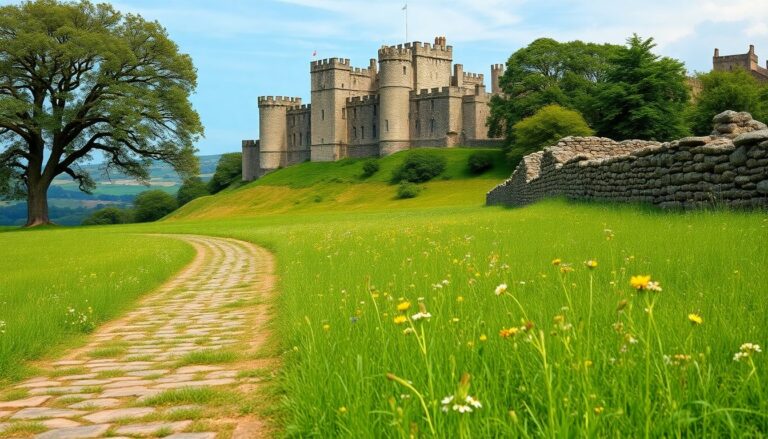
England, a land rich in history and vibrant culture, serves as a reflection of broader narratives that have shaped the world. From ancient settlements to modern achievements, England’s story embodies resilience, innovation, and influence. This article explores the key elements that contribute to England’s unique identity, highlighting its historical milestones, cultural heritage, and the interplay between the two.
Historical Milestones: A Journey Through Time
To understand England, one must first appreciate its historical milestones. The journey begins with the ancient Celts, who established tribal communities across the land, followed by the Roman conquest in AD 43. This period marked the introduction of advanced infrastructure, including roads, baths, and cities, significantly influencing the country’s development.
The Norman Conquest
One of the most pivotal moments in English history was the Norman Conquest of 1066. Led by William the Conqueror, this event transformed England’s social, political, and architectural landscape. The introduction of the feudal system reshaped society, establishing a hierarchical structure that would endure for centuries.
Castles and cathedrals emerged, symbolizing both power and religious fervor.
Throughout the Middle Ages, England experienced a series of conflicts and transformations, including the Hundred Years’ War and the Tudor dynasty. These periods were characterized by significant political intrigue, particularly during the reign of Henry VIII, whose break from the Catholic Church led to the establishment of the Church of England, reshaping the nation’s religious landscape.
Cultural Heritage: The Heart of England
England’s cultural heritage is as diverse as its history. The arts, literature, and traditions have flourished over centuries, contributing to a vibrant national identity. The works of renowned figures such as William Shakespeare, Charles Dickens, and Jane Austen have left an indelible mark on English literature, influencing writers globally and enriching the English language.
Traditional Festivals and Celebrations
Cultural celebrations play a vital role in preserving England’s traditions. Events such as Guy Fawkes Night, which commemorates the foiling of the Gunpowder Plot in 1605, and Harvest Festival, honoring the autumnal harvest, connect communities and reinforce a sense of belonging. These festivals often feature traditional foods, music, and dance, showcasing the rich diversity of English culture.
The influence of the monarchy cannot be overlooked. Events like the Changing of the Guard at Buckingham Palace and royal weddings captivate the public’s imagination, representing the continuity of tradition amidst modernity. The monarchy serves not only as a symbol of national unity but also as a focal point for cultural identity.
Modern England: A Fusion of Old and New
In contemporary times, England stands at the crossroads of tradition and modernity. The capital city, London, epitomizes this fusion, blending historic landmarks such as the Tower of London and Westminster Abbey with cutting-edge architecture and a thriving arts scene. London’s diversity reflects the multicultural fabric of modern England, where influences from around the globe converge.
Moreover, England’s contributions to science and technology have been groundbreaking. The likes of Isaac Newton and Charles Darwin revolutionized their respective fields. Today, England continues to be a hub for innovation, particularly in areas such as artificial intelligence and biotechnology.
In conclusion, England’s rich tapestry of history and culture provides a fascinating glimpse into its past while offering a robust framework for understanding its present and future. As the country navigates the complexities of modern life, the echoes of its historical milestones and cultural heritage remain ever-present, shaping the identity of a nation that continues to inspire and captivate.
