

**Electric Vehicle Revolution: Here to Stay or Just a Passing Trend?** --- **Introduction** The electric vehicle (EV) revolution has gained significant momentum in recent years, prompting a critical discussion about its sustainability and long-term impact on the automotive industry and the environment. In this analysis, we will explore the factors contributing to the rise of electric vehicles and evaluate whether this trend is a permanent shift or a temporary phenomenon. --- **Current Market Trends** 1. **Increasing Adoption Rates**: The global sales of electric vehicles have surged, with many countries reporting record-breaking figures. This trend is driven by advancements in battery technology, reducing costs, and increasing consumer awareness of environmental issues. 2. **Government Incentives**: Many governments worldwide are offering tax incentives, rebates, and grants to encourage the adoption of EVs. Policies aimed at reducing carbon emissions are also promoting the transition to electric mobility. 3. **Investment in Infrastructure**: The expansion of charging networks is crucial for the growth of the EV market. Significant investments are being made in charging stations, making it easier for consumers to adopt electric vehicles. --- **Environmental Impact** 1. **Reduction in Carbon Footprint**: Electric vehicles contribute to lower greenhouse gas emissions compared to traditional gasoline vehicles. As renewable energy sources become more prevalent, the environmental benefits of EVs will only increase. 2. **Sustainability Practices**: The shift towards electric vehicles is aligned with global sustainability goals. Automakers are adopting eco-friendly production techniques and sourcing materials responsibly. --- **Challenges Facing the EV Market** 1. **Battery Technology**: While advancements are being made, challenges remain in battery performance, recycling, and raw material sourcing. Ongoing research and development are essential for overcoming these hurdles. 2. **Market Competition**: The automotive industry is witnessing increased competition, with traditional automakers and new entrants vying for market share. This dynamic could influence the pace of innovation and consumer choice. --- **Conclusion: A Future-Oriented Perspective** The electric vehicle revolution is not merely a passing trend but a transformative movement poised to redefine the automotive landscape. With continued technological advancements, supportive government policies, and a growing commitment to sustainability, electric vehicles are likely to become an integral part of our transportation ecosystem for years to come. --- **Call to Action** Join the conversation on the future of electric vehicles and share your thoughts on how we can collectively support this sustainable transition.
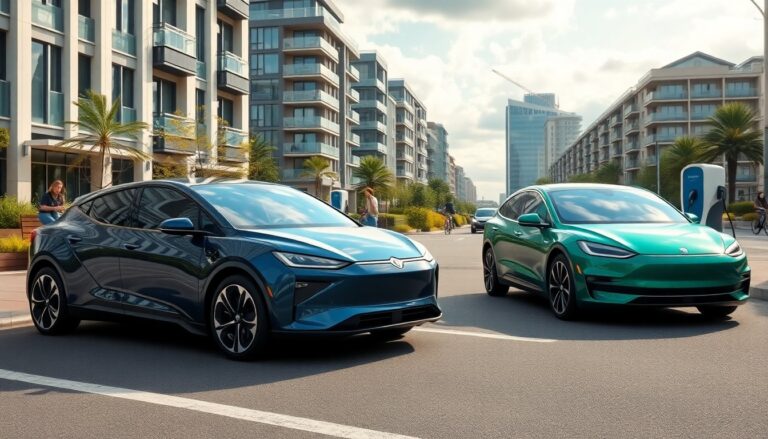
The Rise of Electric Vehicles: A Transformative Shift
The electric vehicle (EV) market has witnessed significant growth in recent years. Major automobile manufacturers, including Tesla, Ford, and General Motors, are increasingly introducing electric models. This surge raises an important question: Are electric cars merely a trend, or do they represent the future of transportation?
The Electric Vehicle Landscape
Several factors contribute to the growing popularity of EVs. Governments worldwide are implementing policies to promote greener alternatives amid rising concerns about climate change. For instance, Norway aims to phase out gasoline vehicles by 2025, demonstrating its commitment to sustainable transport.
Additionally, more consumers are prioritizing eco-friendly options in their purchasing decisions.
However, a key consideration remains: Is the current infrastructure adequate to support this electric transition? Charging stations are increasing in number, but questions persist about their availability and accessibility.
Are we prepared to fully replace traditional gas stations with EV charging points?
Challenges Facing the EV Movement
Despite the appeal of electric vehicles, several challenges must be addressed. One significant hurdle is battery technology. Although advancements have been made, concerns about range anxiety—fear of running out of battery power—persist, particularly during long trips.
Moreover, the higher initial cost of EVs compared to traditional vehicles often deters potential buyers. While prices are gradually decreasing, many consumers remain hesitant. Is it worth investing more upfront for potential long-term savings?
Environmental concerns surrounding battery production and disposal also warrant attention. As society pushes for sustainable solutions, it is crucial to evaluate the environmental impact of these technologies to avoid creating new issues.
The Road Ahead: What’s Next for Electric Cars?
Looking ahead, the future of electric vehicles appears promising. Continued collaboration among manufacturers, government bodies, and consumers will be essential for overcoming current obstacles. Improvements in battery technology, expansion of charging infrastructure, and increased public awareness of EV benefits are all vital components of this transition.
As electric vehicles gain traction, their technology is expected to advance, prices will likely decrease, and infrastructure will evolve. The rapid advancement of smartphones serves as a parallel example of how technology can transform consumer habits.
As more individuals consider electric vehicles as a practical option for daily transportation, it is an exciting period for the automotive industry. Are you contemplating the switch to an electric vehicle?
